

What Defines Millennial Television? Just Ask Lena Dunham
An argument that Lena Dunham's "Girls" best defines millennial television, tracing its themes of economic anxiety and arrested development.
Entertainment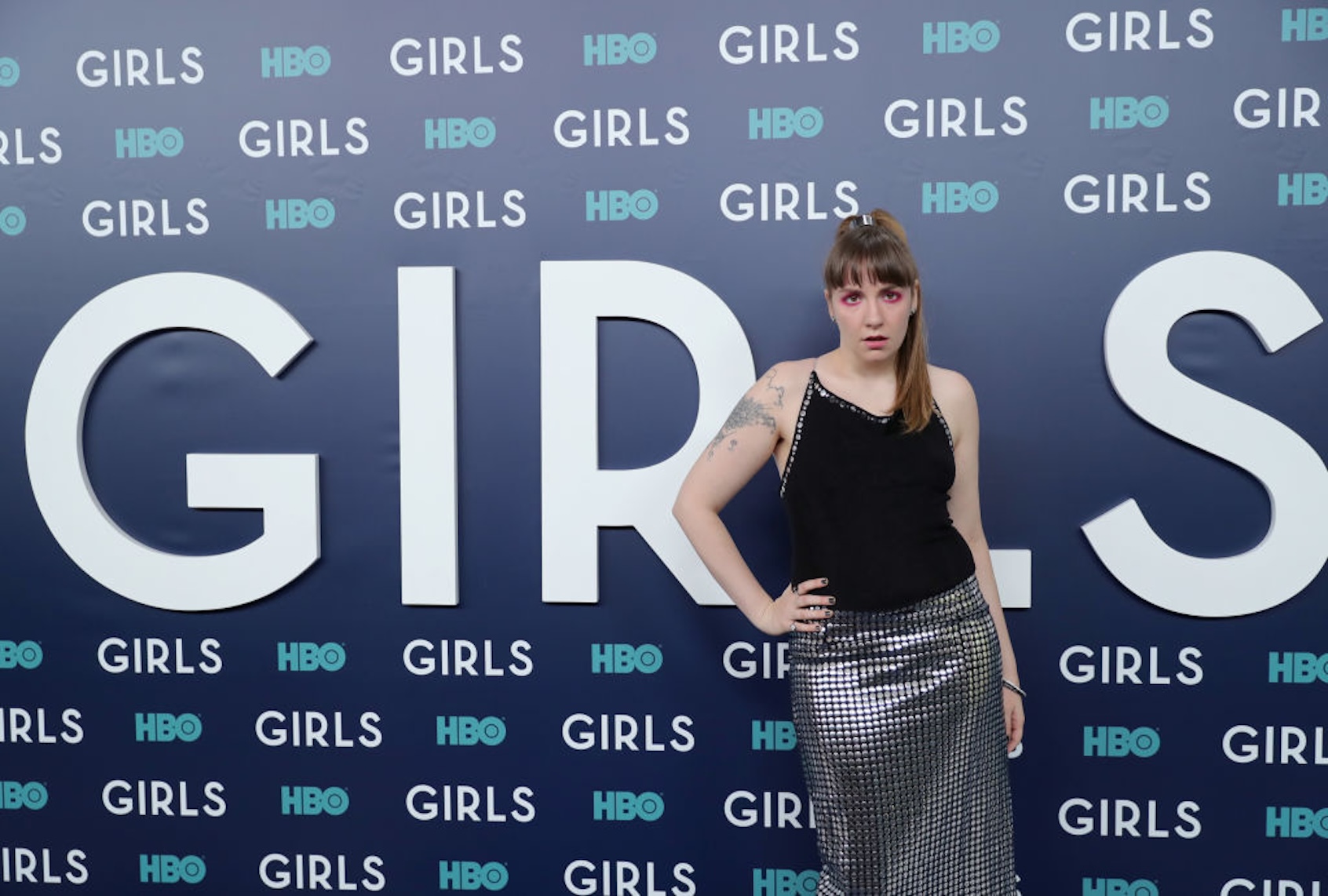
The argument started, as these things do, with a label applied to the wrong person. A Rolling Stone piece about the comedian Reggie Watts went up earlier this month, a chunk of the internet decided he was a millennial, and the internet was wrong — Watts is nearly 40 and firmly Gen X. What followed was not really a correction. It was a genuine collective confusion about where one generation's culture stops and the next one starts.
For television, the boundary is unusually easy to locate, and it runs directly through Lena Dunham.
The show nobody could stop arguing about
"Girls" premiered on HBO when Dunham was 24, which is young enough that the fact itself became part of the discourse. It ran six seasons. And from the first episode it functioned less as a show people watched than as a show people argued about — over privilege, over who had been appointed to narrate a generation, over whether the discomfort it produced was the intended effect or the failure.
Nearly fifteen years later that argument has still not resolved into a consensus, which is the most reliable available evidence that something mattered. Shows that get settled get forgotten. The ones that stay contested stay alive.
What made it millennial was the economics
The thing that marked it as a generational document was never the age of the cast. It was the financial situation underneath the plot: the unpaid internship treated as a career step, the apartment that should not have been affordable and was never explained, the flat assumption that adulthood was a condition that would eventually arrive on its own if you waited in the right neighborhood.
That specific anxiety — the slowly dawning understanding that a deal had been quietly withdrawn — runs through everything that followed. "Insecure" has it. "Succession" has it, inverted into obscene wealth and somehow intact. "Beef" is built out of it. "Hacks" stages it as a generational negotiation. Even "New Girl," the sunniest of the group, is about several adults living in one apartment because that is what the arithmetic allows.
The handoff
The genre is now passing to somebody else. "I Love LA," "Smiling Friends," and "Adults" belong to people who never expected the deal in the first place, and the difference is visible in the first ten minutes of any of them: less thwarted entitlement, more baseline absurdity, no one waiting for real life to start.
That is what makes generational labels occasionally useful — not as a way of sorting people into cohorts, which is mostly a parlor game, but as a way of dating the assumptions a piece of work is arguing with. "Girls" argues with a promise. The shows arriving now do not have one to argue with.
By that measure Dunham's work is the boundary marker, whether or not she wanted the job and whether or not you liked the show. The people currently mislabeling Reggie Watts on the internet are, in their way, looking for exactly this line. It has been sitting on HBO since 2012.