

Trump for a Decade Had One Superhuman Ability. Now, It Seems He's Losing It.
Trump's renaming of Lake Ontario to "Lake America" flopped, a sign that his once-reliable distraction tactics are losing their grip on the news cycle.
Politics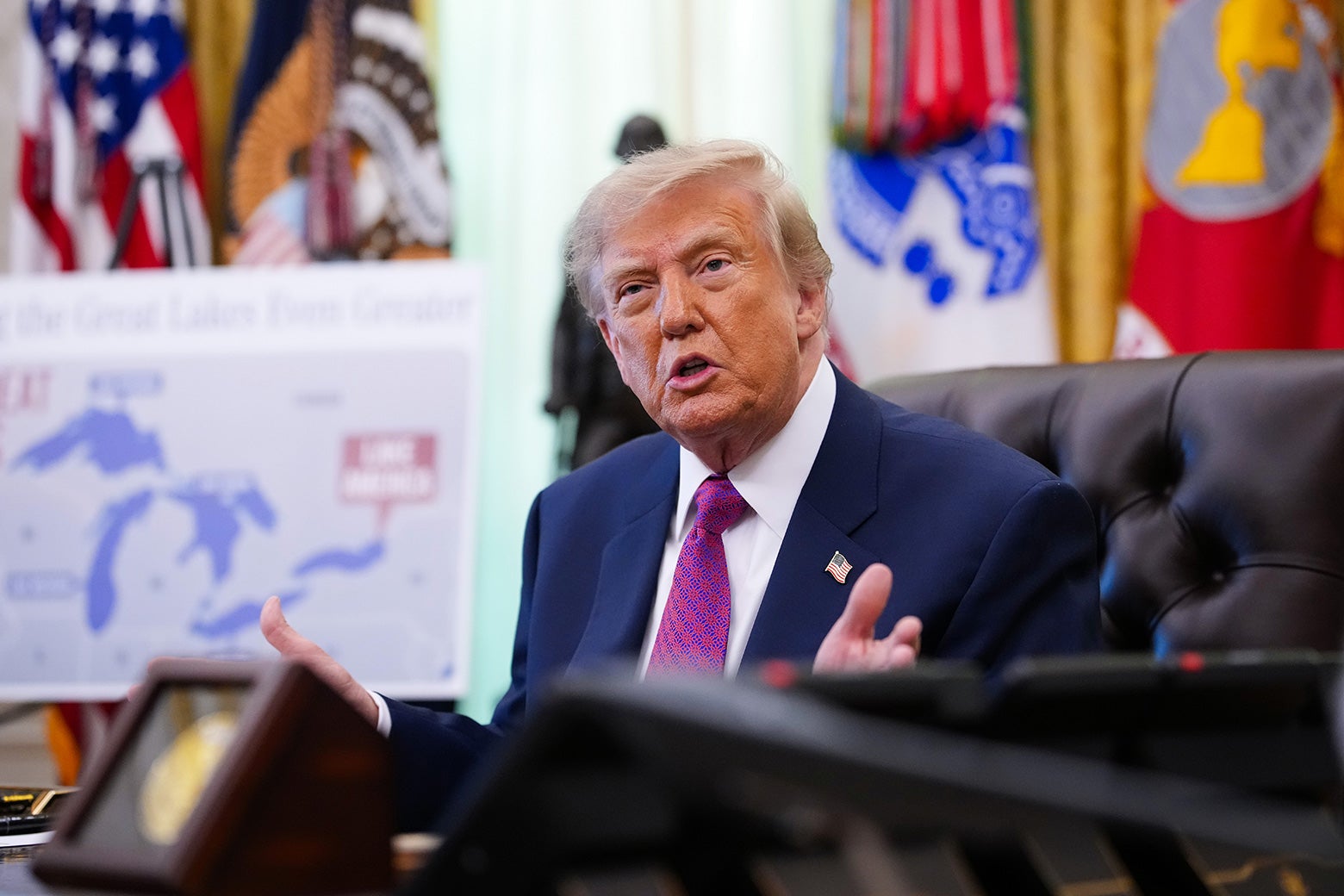
Trump stood in the Oval Office this week and announced that Lake Ontario would from now on be known as Lake America. He signed an order. There were flags. And then, in the way these things now go, almost nothing happened.
That nothing is the story. For a decade the single most reliable fact in American politics was that this man could take any room's attention whenever he wanted it. The tariffs, the indictments, the campaigns — all of it ran on a motor that never seemed to need servicing. This week the motor turned over and did not catch.
The template, and why it worked the first time
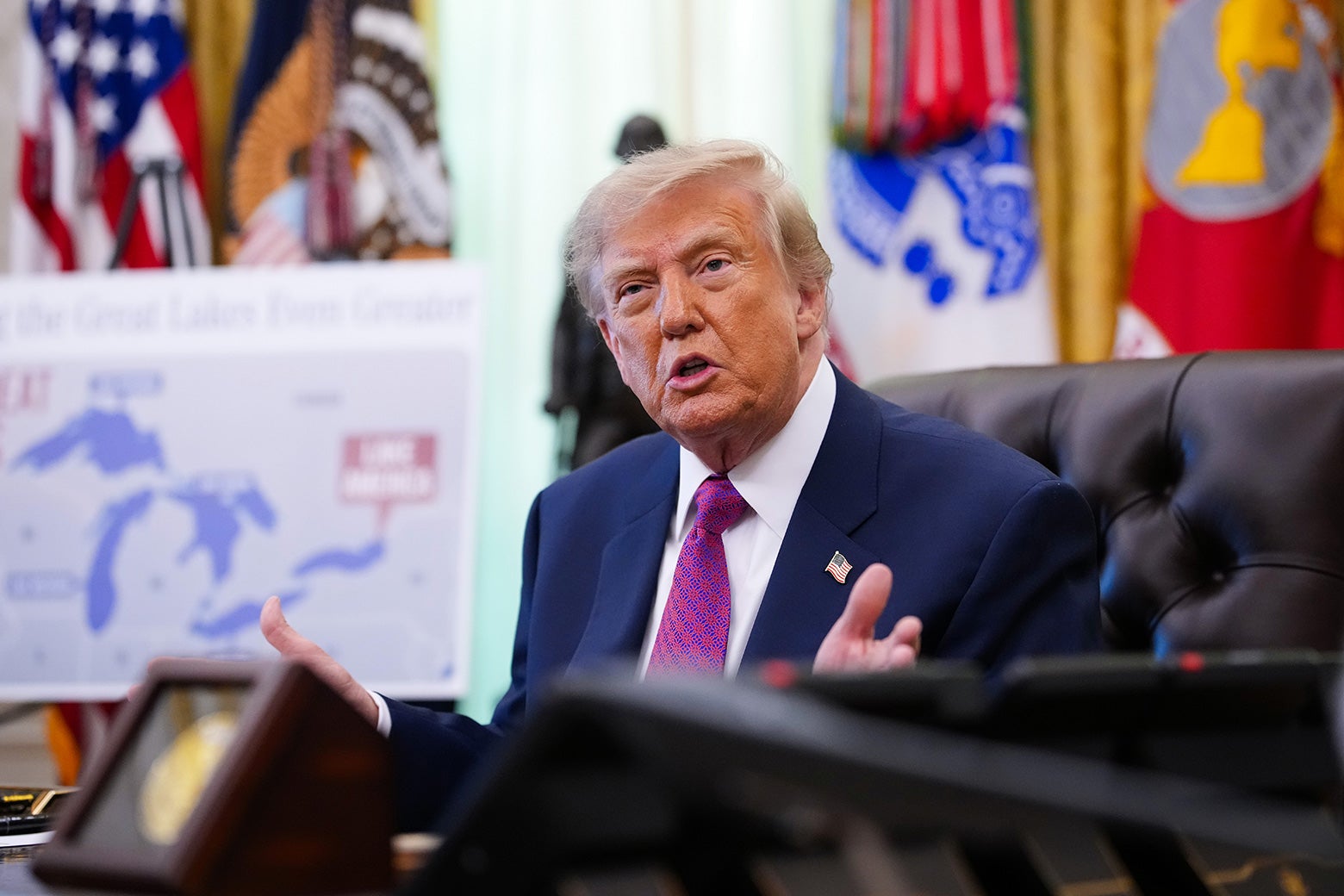
There is an obvious precedent. On his first day back in office in January 2025, Trump renamed the Gulf of Mexico the Gulf of America, and then spent weeks converting the name into a loyalty test. The Associated Press declined to adopt it and was punished with restricted access. Every newsroom in the country had to hold a meeting about what to call a body of water, which meant every newsroom in the country was covering him instead of anything else.
That was a genuinely effective piece of political engineering. It cost nothing, it committed the administration to nothing, and it forced opponents to choose between looking petty and looking compliant. It also produced a month of coverage that was not about policy.
The same move, into a dead room
This week's version had all the same components and none of the effect. American coverage ran for roughly a day and moved on. The jokes were made and were mostly tired. Nobody organized a boycott, nobody was denied a press pass, and no serious institution appeared to feel it had a decision to make.
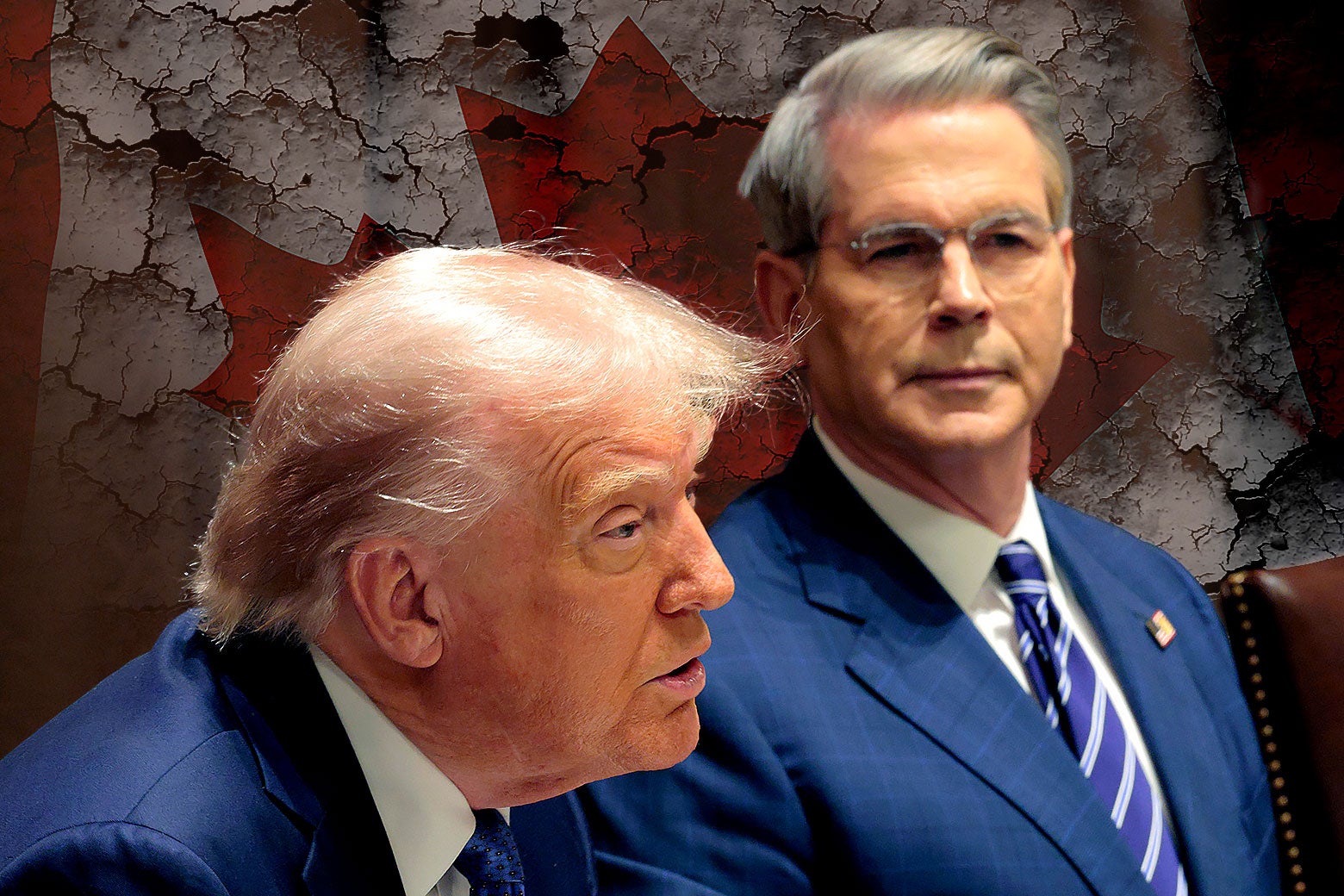
The people who did treat it as significant were Canadian. CBC and the Globe and Mail gave it front-page handling, which is entirely rational — Ontario is the province on the other side of that water, and the two countries are in the middle of the worst trade fight in living memory. When the president of the United States starts renaming your geography, you are allowed to find it ominous rather than funny.

Trump's approval numbers are at the lowest point of his political career. That is the context in which a provocation stops working, and it is worth being precise about the mechanism, because it is not that people stopped paying attention. It is that the audience has finally sorted itself. The people who enjoy this enjoy it; the people who do not have stopped performing outrage on cue. What is gone is the enormous middle that used to be genuinely unsure whether to take him seriously.
The part that is not a joke
None of which means the underlying dispute is harmless. There are 50 percent tariffs on $28 billion of Canadian goods, there is retaliation, and there are businesses on both sides of the border making decisions right now about staffing and inventory on the basis of a fight over a lake's name. The renaming is not the policy. It is the thing the policy is wearing.
There is a version of this presidency's history in which the stunts were always the point, and a version in which they were always cover. This week suggests the second reading is closer to right, because the moment the stunt stopped generating heat, what remained visible underneath it was a straightforwardly expensive trade war with the country next door.
He will try again. The provocations are not going to stop, and some of them will land — the machinery is degraded, not dismantled. But an audience that has learned to look past the announcement toward the invoice is a different audience than the one he has spent ten years addressing, and there is no obvious way to get the old one back.