
This Indiana Lawsuit Against Planned Parenthood Is Ground Zero for Abortion Rights in Blue States
An appeals ruling against Indiana's law on abortion referrals sets up a major First Amendment clash over interstate reproductive rights.
Politics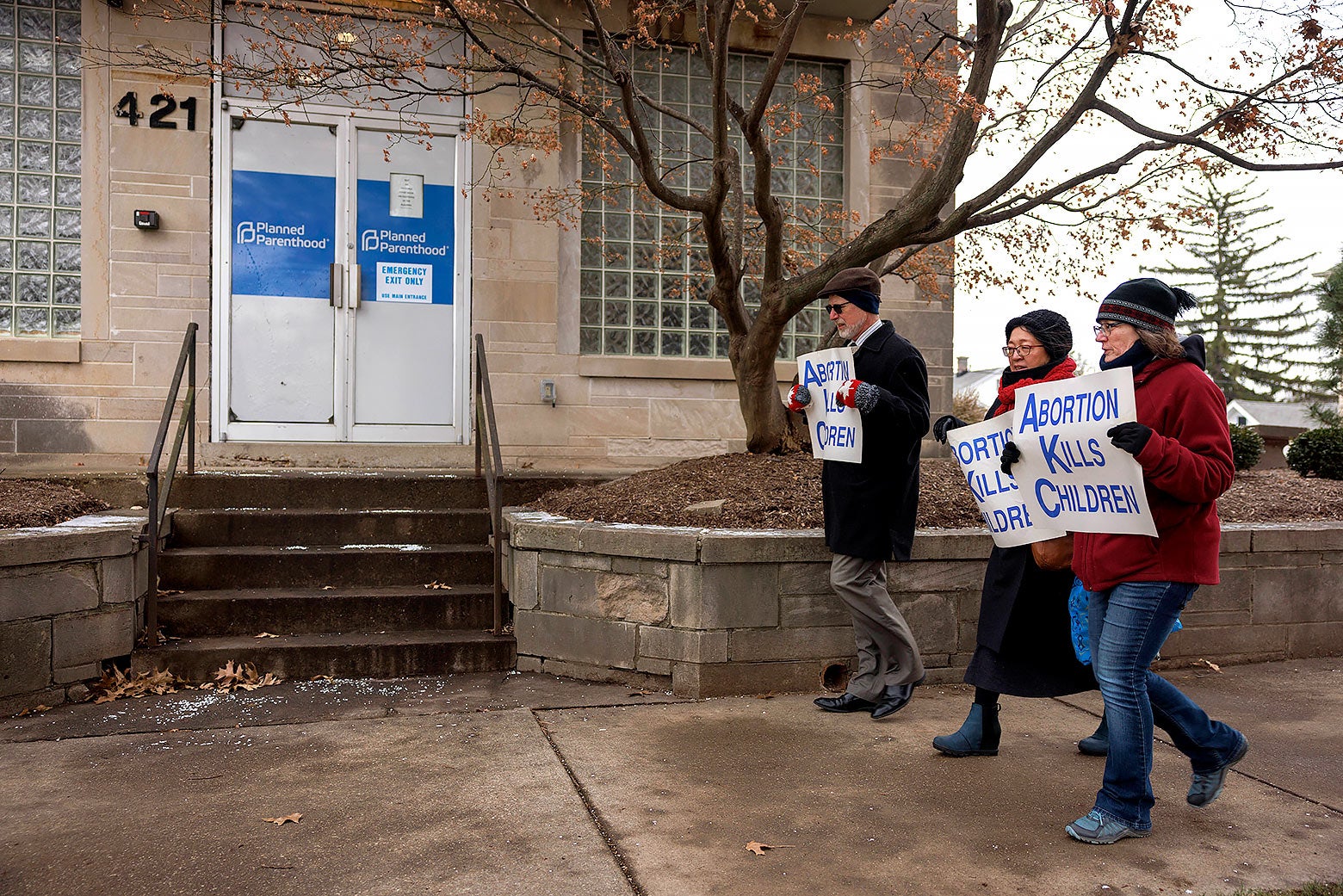
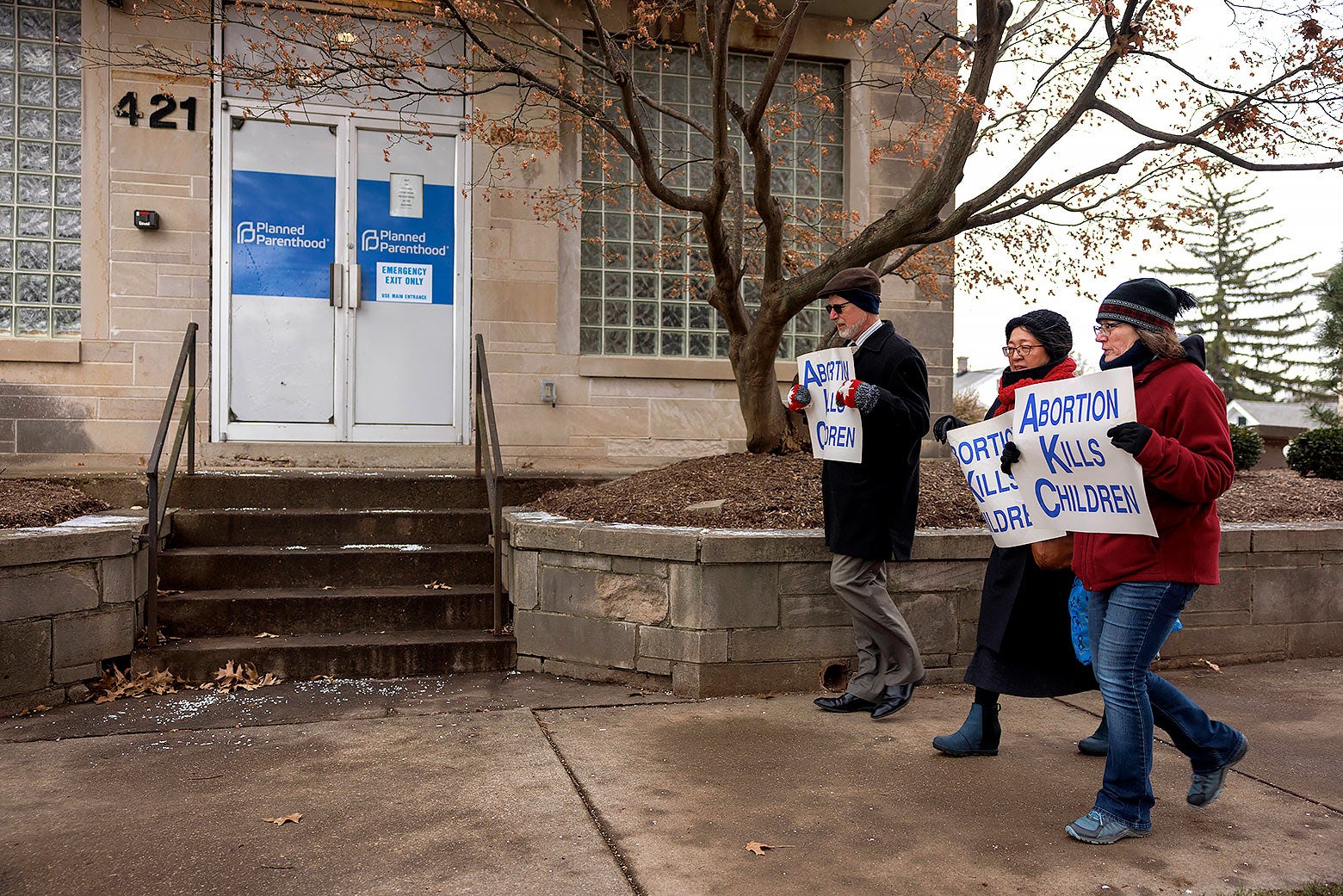
A federal appeals court has struck down an Indiana law that made it a crime to help a minor obtain an abortion without parental consent or a judge's approval. The result matters. The reasoning matters considerably more, and it is going to show up in a dozen states within a year.
Decided on speech, not on abortion
The 7th Circuit did not reach the abortion question. It decided the case on the First Amendment. Indiana's 2017 law punished people for what they said and to whom — which made it, in the court's framing, a content-based regulation of speech. Content-based rules face strict scrutiny, strict scrutiny is very difficult to survive, and this one did not. Planned Parenthood, which brought the challenge, won on free expression grounds.
There is a certain irony in the doctrinal machinery here. Strict scrutiny for content-based speech restrictions is a body of law built substantially by conservative litigators, over decades, in cases about campaign finance, compelled union dues, and religious expression. It turns out to work perfectly well pointed in the other direction.
The reasoning travels
That framing is portable, which is the whole significance of the ruling. South Dakota, Florida, and Missouri have all pursued restrictions aimed at abortion-related advertising and information rather than at the procedure — the theory being that a state may control what its residents are told even where it cannot reach what they ultimately do.
It is a clever strategy and, until this week, a largely untested one. If information is the target, the fight is a speech fight, and the state has to satisfy a standard designed to be nearly unsatisfiable. Every one of those statutes now has a serious appellate opinion pointed directly at it.
The question nobody has answered
Underneath the speech issue sits a harder problem that courts have been circling since Dobbs without resolving: whose law governs when a person in a banning state gets help from a person in a state where the help is legal? Can the first state punish conduct that occurred entirely within the second? Can it reach the website, the phone call, the money?

This is a genuine conflict-of-laws crisis, and the American legal system has essentially no modern experience with it. The last time states had this level of substantive disagreement about the legality of the same conduct, the resolution did not come from a courtroom.
Where it goes
Expect a cert petition. Expect the Supreme Court to take its time deciding whether to grant it, and expect the argument, if it happens, to be scheduled well after the midterms — because everyone involved understands that the political cost of the answer is lower once the votes have been counted.
In the meantime the practical situation is unchanged for the people the law was written about. A minor in Indiana still faces a consent requirement and a judicial bypass process that is difficult by design. What has changed is that the adults around her can talk to her about her options without a prosecutor being able to build a case out of the conversation. That is not everything. It is not nothing either.