

The Dolly Parton Covers Everyone Should Hear
A roundup of standout cover versions of Dolly Parton songs, showing how far her influence reaches across genres and generations.
Celebrities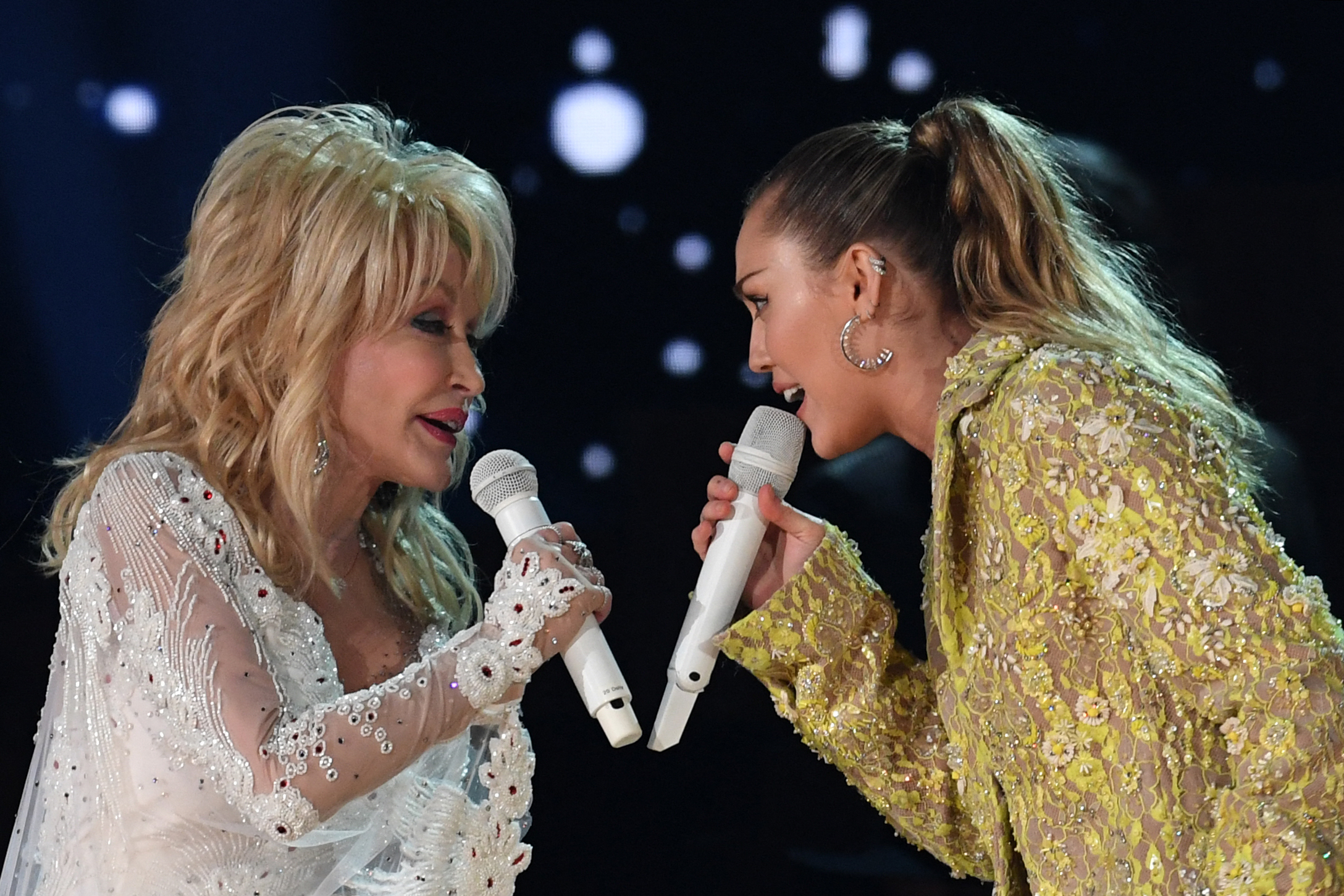
A songwriter's real monument is not the catalog they recorded. It is the catalog other people could not leave alone. Dolly Parton wrote or co-wrote more than 3,000 songs and recorded around 450 of them, and the material she leaves behind has been carried through more voices, in more genres, than almost any American writer of the past century.
The domestic songs, handed to the right singers
Start with Emmylou Harris and "To Daddy" in 1977. Parton wrote it about her own mother; Harris recorded it with the restraint the song requires, which is considerable, because the whole construction depends on the listener understanding the ending before the singer appears to. It reached No. 3 on the country chart.
That song demonstrates the trick Parton executed better than almost anyone working: build a small, plain domestic scene, furnish it carefully, and put a trapdoor in the final verse. It is a short-story writer's structure, deployed inside three minutes, and it survives being sung by people whose voices sound nothing like hers.
The range is the argument
The covers get genuinely strange once you leave country music, and that strangeness is the point. Tina Turner recorded "There'll Always Be Music" in 1974. Sinead O'Connor took on "Dagger Through the Heart" and located the grief that a Nashville arrangement tends to smooth over. And in 1987 Parton performed "Everyday People" on television as a duet with Kermit the Frog.
That last one sounds like a novelty and functions as a thesis. A woman with a country audience, a gospel background and a rhinestone act, singing a Sly Stone song about human variety, to children, on network television, in 1987. Nobody made her do that.
The song they banned
The most instructive example is also the most recent. Miley Cyrus — Parton's goddaughter — recorded "Rainbowland" for her 2017 album "Younger Now." The two of them wrote it together. It is, by any reasonable description, a song for children about people getting along.
In 2023 an elementary school in Wisconsin barred students from performing it at a first-grade concert, having determined that its message was too controversial for the occasion. Parton did not need to respond to that, and largely did not. The story made the argument on its own.
What the numbers do not explain
Eleven Grammy Awards, including a Lifetime Achievement honor. Fifty-five nominations. Those figures are in every obituary this week and they explain less than they appear to.
The reach is better demonstrated by the fact that a punk singer from Dublin, a soul singer from Tennessee, a teenage pop star, a Muppet, and a first-grade class in Wisconsin all found something usable in the same body of work — and that the school board was the only one that had to think hard about it.