

Texas Running Interference for Fugitive ICE Agents Is Going to Have Deeper Consequences
Texas stalled Minnesota's extradition request for a charged ICE agent, and he walked free after ninety days in custody.
Politics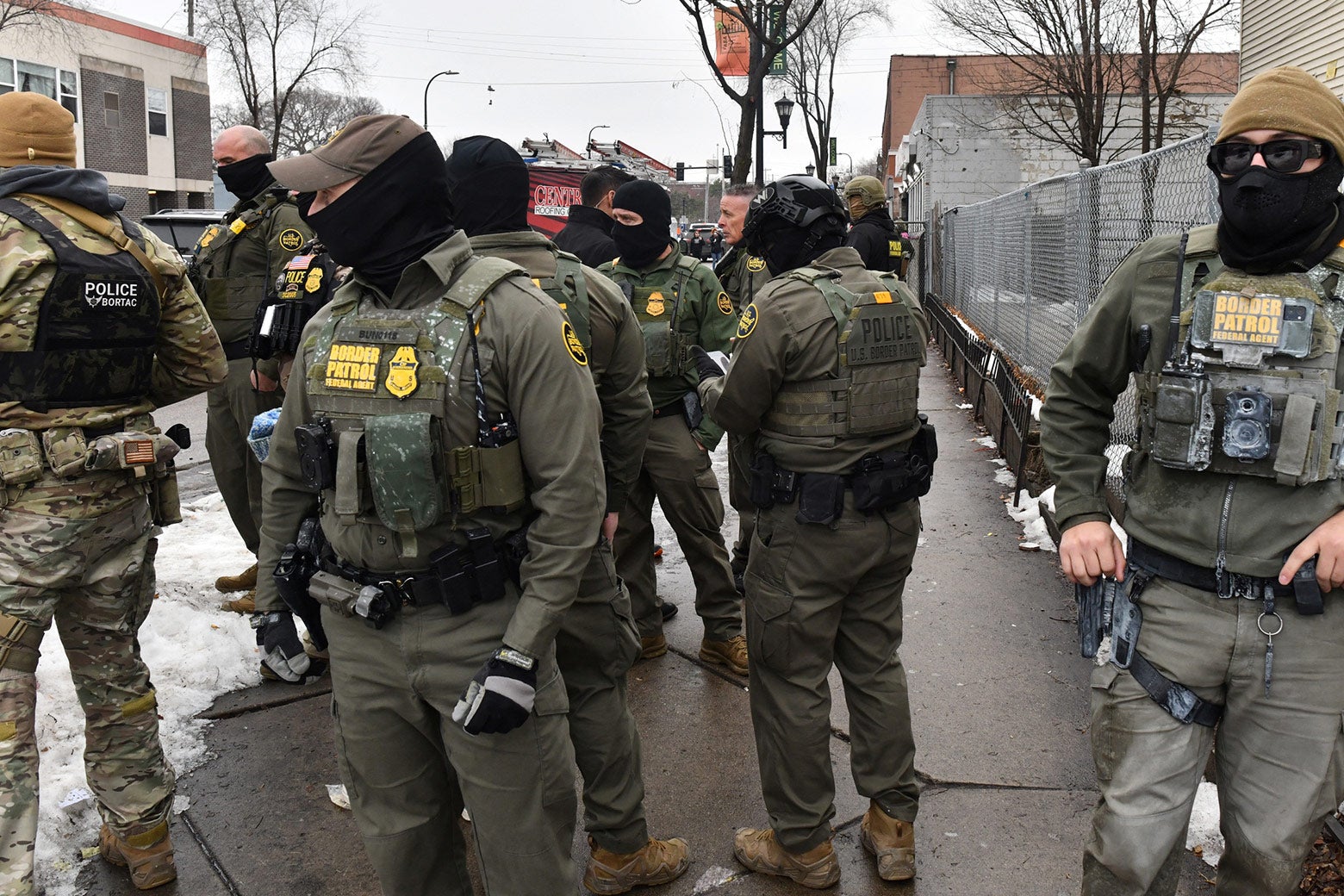
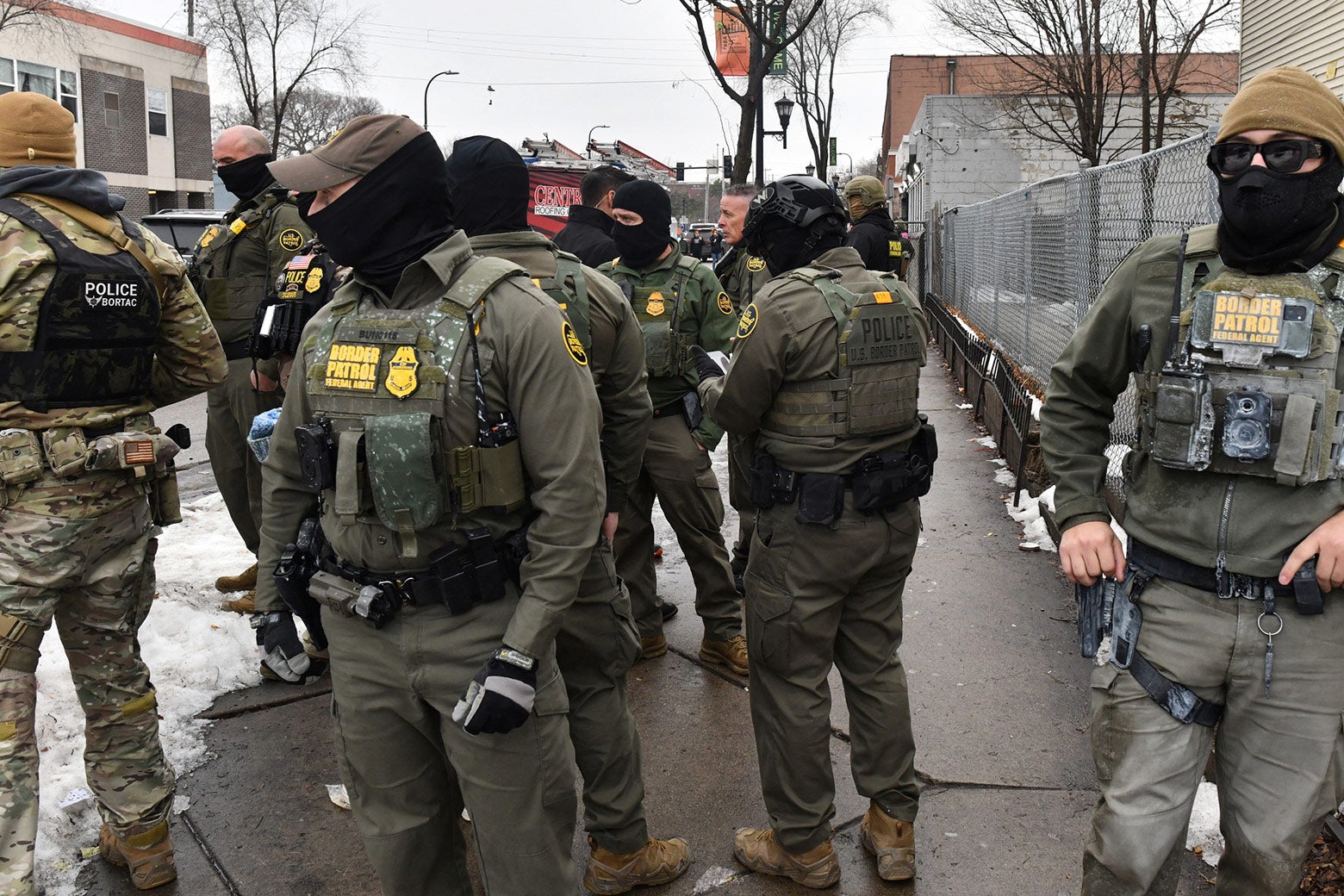
Christian Castro walked out of a Texas jail last Thursday, ninety days after he was picked up on a nationwide warrant and exactly as long as Texas law permits a person to be held pending extradition. Minnesota had charged him in May with four felony counts of second-degree assault with a dangerous weapon, over a January shooting in Minneapolis that wounded Julio Cesar Sosa-Celis, a 24-year-old Venezuelan migrant. Castro is an ICE officer.
Nobody had to break a law to get this result. That is what makes it worth understanding in detail.
How a governor runs out a clock
The sequence was procedural throughout. Texas officers located Castro after the warrant went out. A judge ordered him detained pending extradition. Gov. Tim Walz sent Texas a formal request, which is the step that normally ends the story, because interstate extradition is one of those obligations that functions on the assumption that everyone treats it as automatic.
Gov. Greg Abbott did not sign it. He also did not refuse. He referred the question to the Texas secretary of state to evaluate whether Castro qualified as a fugitive at all — a review with no statutory deadline attached to it. The ninety-day cap ran out while that review was pending, and Castro was released.
Minnesota sued to force compliance, and the numbers in its filing are the most damning part of the record: eleven extradition requests sent to Texas over the previous five years, typically fulfilled in under thirty days. This was not a state with a general policy of slow processing. It was a state that processed everything else quickly and this one not at all.
The courts declined to help
A federal judge ruled this week that he had no power to make Abbott sign the warrant or to block the release. Read narrowly, that is probably correct as a matter of law; the extradition clause has famously little enforcement machinery attached to it, precisely because the framers assumed no state would test it.

Meanwhile the Justice Department, which publicly called Minnesota's prosecution a political stunt and has argued that federal agents enjoy broad immunity from state charges, is reportedly weighing federal charges of its own. It is worth noticing what that would accomplish: a federal case would supersede the state one, and would be brought by the same department that called the state case illegitimate.
What this actually establishes
The precedent here is much larger than one officer and one shooting. Extradition works because it is assumed rather than enforced. Once a governor demonstrates that he can simply decline to act, and that a federal court will decline to make him, the assumption is gone and cannot be restored by anyone's good intentions.
Which means the next state with a grievance against an officer from somewhere else now gets to run the same calculation, and the next governor gets to decide whether the accused is the sort of person he feels like handing over. Sanctuary arguments, immigration politics, the party of the requesting governor — all of it becomes relevant to a process that was designed to have no discretion in it at all.

That is not a system of interstate law. It is a favor economy, and favor economies do not stay confined to the cases that opened them. Somewhere there is a blue-state governor reading this week's coverage and drawing exactly the conclusion Abbott has taught.