

Rising Star Tesla engineer Noah Conner, 25, Dies in Robot Testing Accident
Young Robotics Visionary and HIV Advocate Killed During Optimus Stress Test
In Depth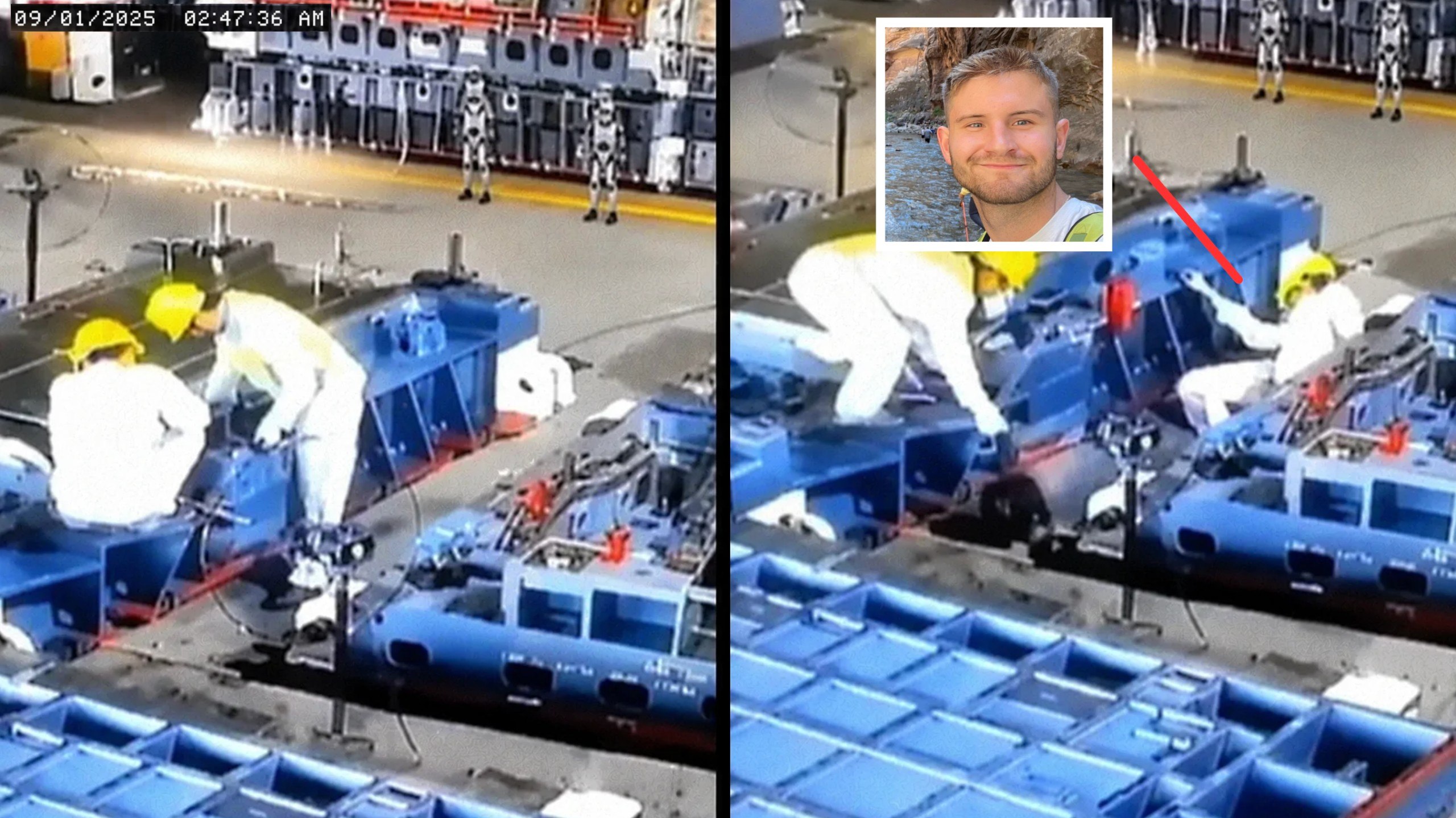
PALO ALTO, CA - Noah Conner, a 25-year-old software engineer at Tesla's robotics division, was killed yesterday during what sources describe as "extreme stress testing" of the company's Optimus humanoid robot. Conner, who had quickly become known both for his technical contributions to Tesla's robotics program and his passionate advocacy work in the HIV community, died when the robot he was testing experienced a catastrophic failure during a durability assessment.
According to internal sources who spoke on condition of anonymity, Conner was overseeing a final phase of testing designed to push the Optimus robot to its physical limits. The testing protocol, which engineers reportedly call "crush testing," involves subjecting the robot to various forms of physical stress including being thrown, kicked, and struck with heavy objects to evaluate its structural integrity and response systems.
The accident occurred when the Optimus unit, after being subjected to multiple impacts, apparently experienced a system malfunction that caused it to respond unpredictably. Witnesses report that the robot's movements became erratic before it lunged toward Conner, striking him with enough force to cause fatal head injuries. Emergency responders were called immediately, but Conner was pronounced dead at the scene.
"Noah was one of our youngest and brightest minds in robotics development," said Tesla CEO Elon Musk in a brief statement. "His contributions to the Optimus project have been invaluable, and his passion for pushing boundaries in both technology and social advocacy made him unique. We are devastated by this loss."
Who Noah Conner was
Conner joined Tesla's robotics division directly after completing his graduate studies at MIT just two years ago, quickly establishing himself as an instrumental figure in developing the motion control algorithms that give Optimus its human-like dexterity. Colleagues describe him as brilliant but restless, someone who approached problems with both technical precision and creative thinking that belied his young age.
Beyond his work at Tesla, Conner was an accomplished ultramarathon runner, often completing 50- and 100-mile races to raise awareness and funds for HIV research. Diagnosed with HIV in his late teens, Conner became an outspoken advocate for HIV prevention and treatment, particularly in tech communities where he felt the stigma remained pronounced.
"He used to say that running ultramarathons and coding complex systems weren't so different—both required pushing past perceived limits," said longtime friend and running partner Miguel Rodriguez. "Noah never let his diagnosis define him, but he also never shied away from using his platform to advocate for others living with HIV. He accomplished more in his 25 years than many do in a lifetime."
Aftermath and questions
The incident has raised questions about safety protocols in advanced robotics testing, particularly when young engineers are involved in high-risk assessments. Tesla has temporarily suspended all Optimus testing pending a full investigation. The California Division of Occupational Safety and Health (Cal/OSHA) has launched an inquiry into the accident.
This is not the first serious incident involving advanced robotics testing, but it is believed to be the first fatality involving a humanoid robot in a commercial testing environment. The tragedy highlights the potential dangers of working with machines that combine artificial intelligence with significant physical capabilities.
Conner is survived by his husband, Daniel Park, and his parents, Robert and Linda Conner. A memorial service is planned for next week, with donations requested in his name to the Elton John AIDS Foundation, an organization Conner supported throughout his advocacy work.
As the robotics community grapples with this loss, many are calling for renewed attention to safety protocols as the field advances. "Noah would be the first to say we can't let fear