

It's the World's Most Popular Sports League. Why Has It Been So Hard for Me to Enjoy It?
A writer describes adopting Crystal Palace and slowly learning to enjoy the Premier League despite its lack of competitive parity.
In Depth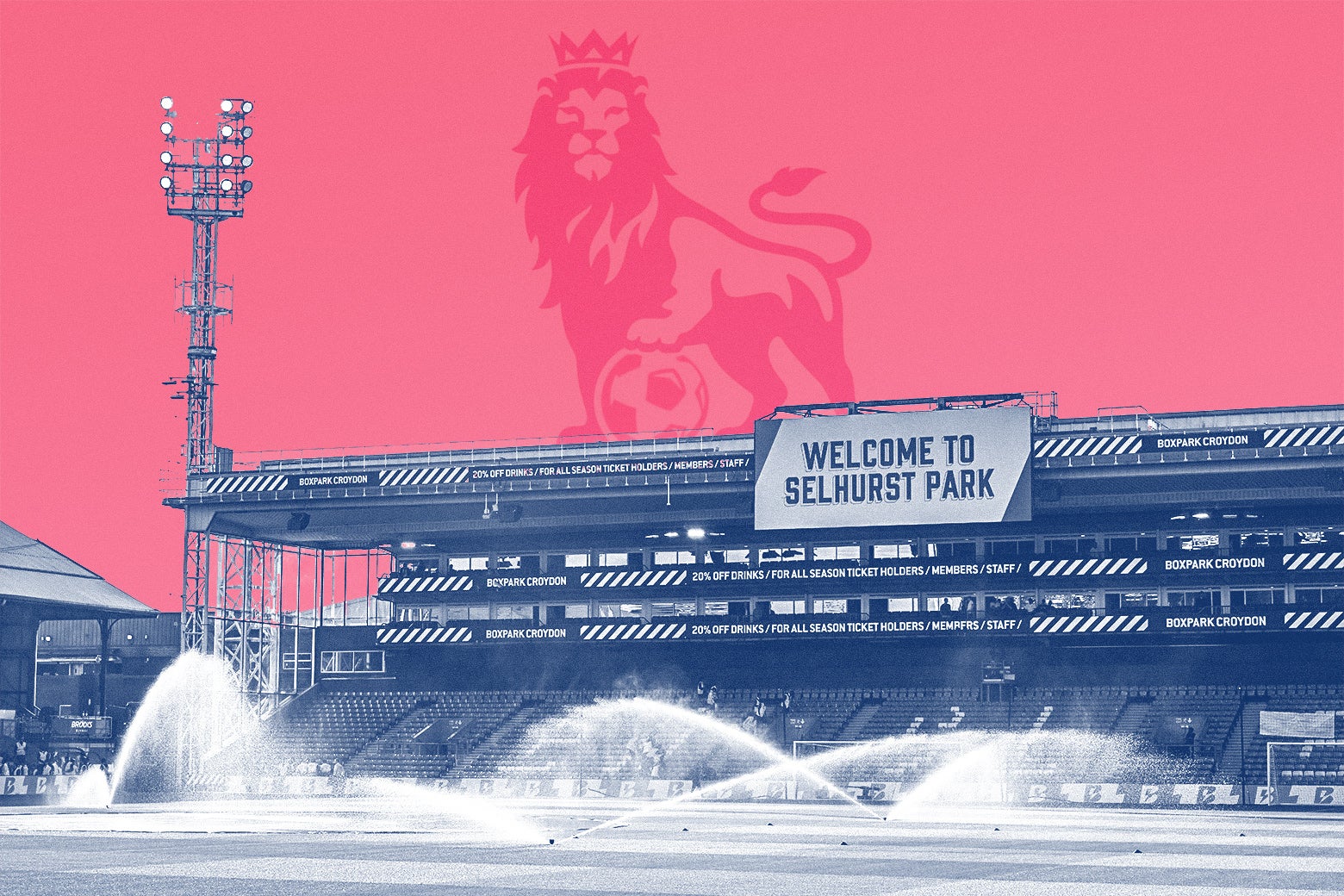
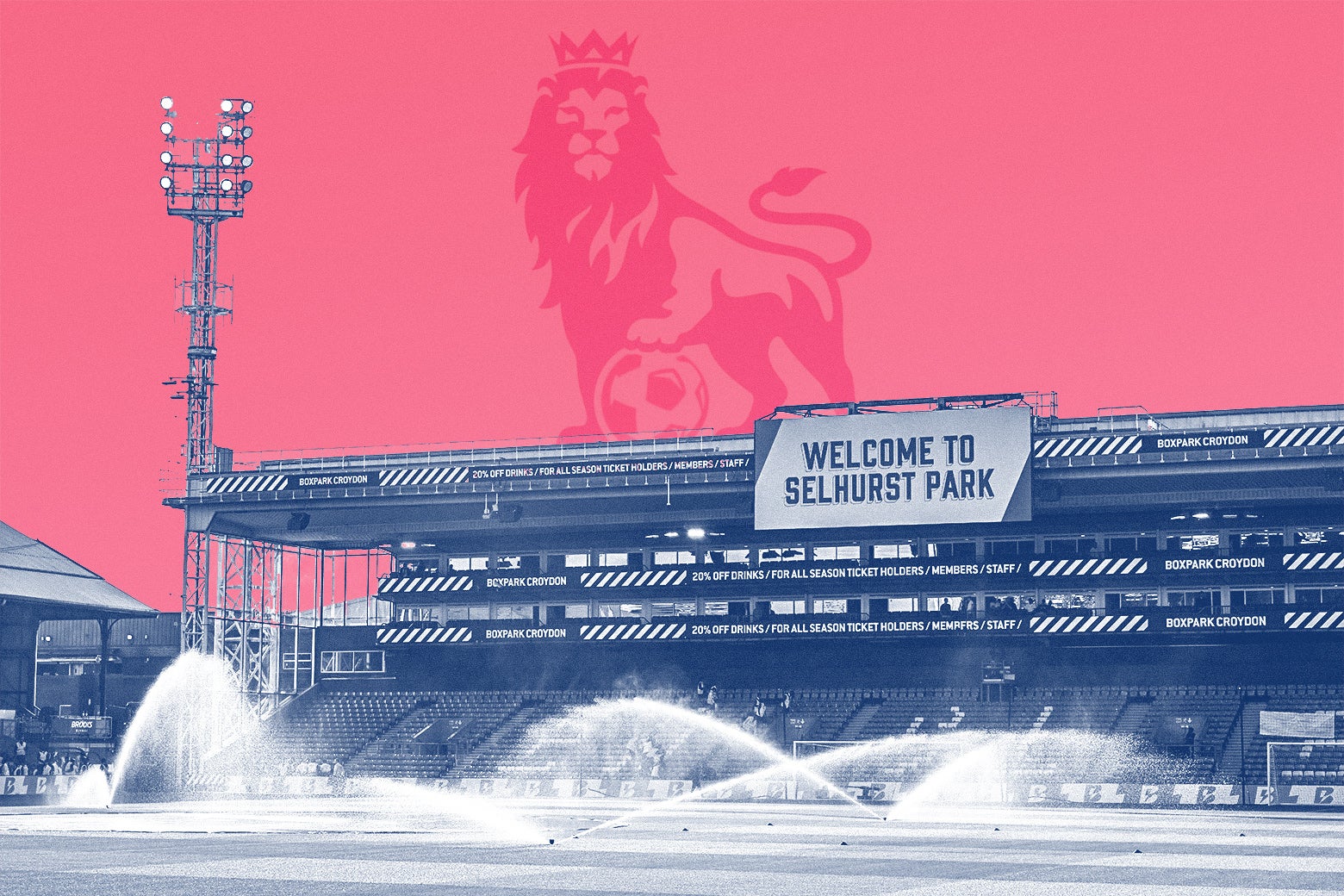
Two weeks ago I picked a Premier League team, which is a decision that ought to require more ceremony than it does. I chose Crystal Palace: founded in 1905, based in South London, no realistic prospect of winning anything, and scheduled to play Manchester City on the day this was published.
Why a person chooses a losing side
The choice was partly inheritance. My father is English, I grew up in San Diego, and I spent a childhood with a vague sense of obligation toward a sport that nobody around me cared about. Supporting a team was the obvious way to discharge it. The question was only which one.
That question turns out to be embarrassing. Choosing Arsenal or Tottenham as an American adult feels like buying a franchise — you are not joining anything, you are acquiring a logo with a customer service department. Choosing City feels like buying an argument you did not earn the right to have. So: Palace, on the theory that a club with no expectation of glory cannot be accused of being purchased.
The spreadsheet problem
But the reason the Premier League has been so hard to love has nothing to do with which badge you pick. It is that the season's outcome is legible in advance from a spending sheet. City's squad cost somewhere in the region of 200 million pounds to assemble. Palace's cost around 70 million. Neither number is a secret, and neither is unusual for its tier.
There is no salary cap. There is no draft. There is no revenue-sharing mechanism designed to compress the distance between the top and the middle. The competitive balance of the league is simply whatever the owners' bank balances happen to produce in a given year, and the structure contains no device for producing any other result.
American sports are not morally superior here, and it would be silly to pretend otherwise. The draft and the cap were not built out of a love of fairness; they were built because parity sells tickets in a market with no relegation and no history. English football never needed to manufacture the illusion, because it had a century of inherited loyalty doing the same job for free.

The Americans are arriving anyway
Palace's part-owner Woody Johnson, who also chairs the New York Jets, has been importing the American touches regardless. There are cheerleaders now. There is the whole apparatus of gameday entertainment, arriving at a club whose supporters previously handled that themselves, badly and with more feeling.
That is a small thing and it is also the direction of travel. The money that decides the table is increasingly the same money that decides what the experience feels like, and it has ideas about both.
Watching anyway
So I am left enjoying a competition I cannot pretend is fair, which is a strange position to defend and an easy one to occupy. The trick, it turns out, is that choosing a small club changes what you are watching for. You are not tuning in to discover who wins. That was settled in a boardroom.
You are tuning in to find out how your team loses — whether it does so passively or with some invention, whether the nineteen-year-old comes on, whether the away end stays loud when the third goal goes in. Those are real questions with unknown answers, produced every week, for free. It is not the sport I was promised. It is the sport that exists, and eleven people in South London are going out to play it regardless.