

It's Critical That You See "Coyote vs. Acme"
A case for seeing "Coyote vs. Acme" in theaters, on the argument that box-office success would rebuke Warner Bros. for shelving the finished film.
Entertainment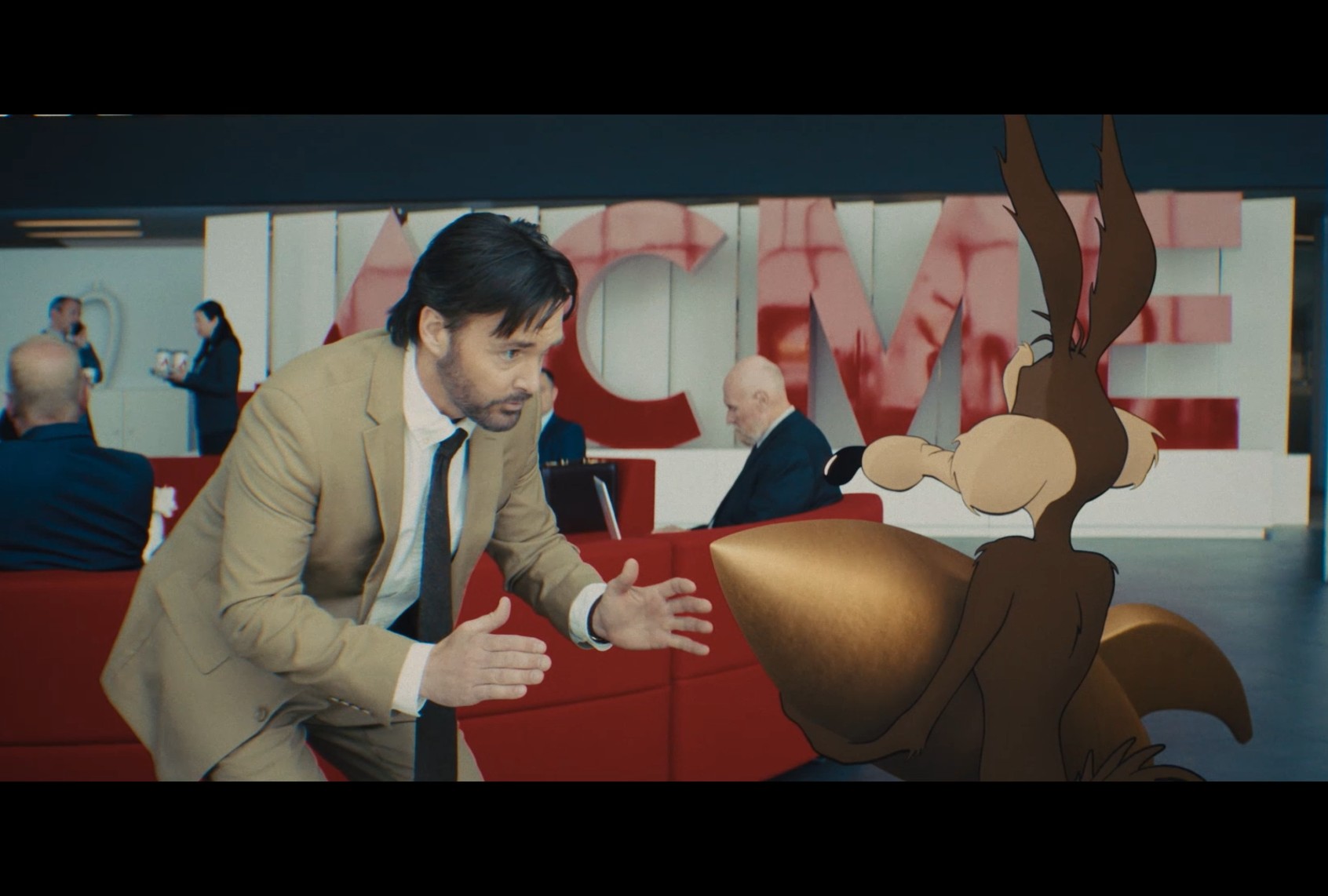
"Coyote vs. Acme" is playing in theaters, which is not a sentence anyone involved was confident would ever be written.
A finished film, worth more dead
The movie was completed in late 2023. Warner Bros. then shelved it — not because of test screenings, not because of a creative dispute, but because a finished film that is never released can be written off. The figure was around $30 million. Under the accounting, the movie was worth more as a tax event than as a movie.
The backlash was immediate and unusually broad. Agents objected publicly, talent objected publicly, and a substantial part of the industry treated it as a line being crossed rather than a routine business decision. The studio spent the better part of two years quietly trying to sell it elsewhere without much success, which is its own commentary — a film supposedly worthless enough to bury, shopped around at a price nobody wanted to meet. In early 2025 it went to Ketchup Entertainment at a discount.
The film itself
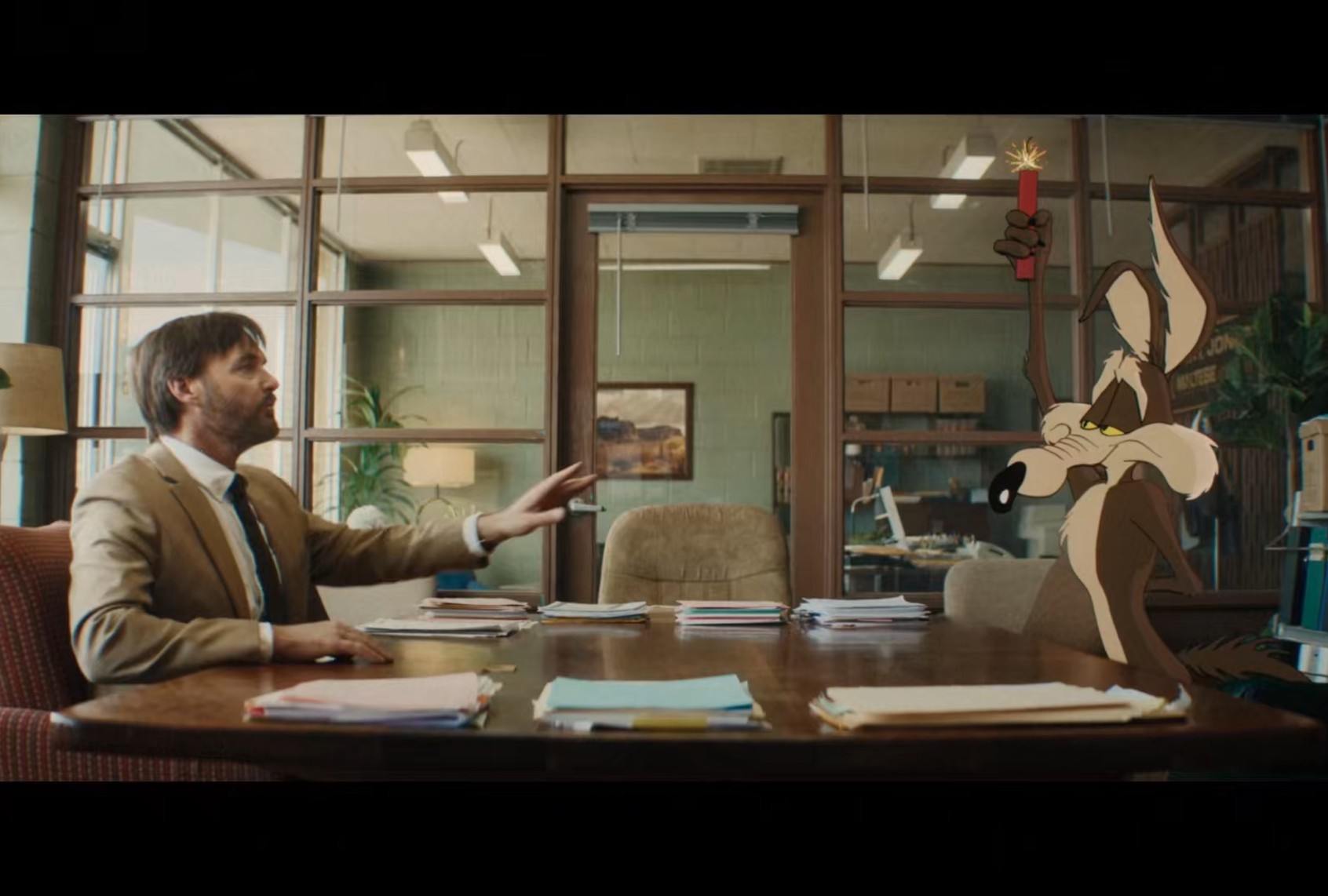
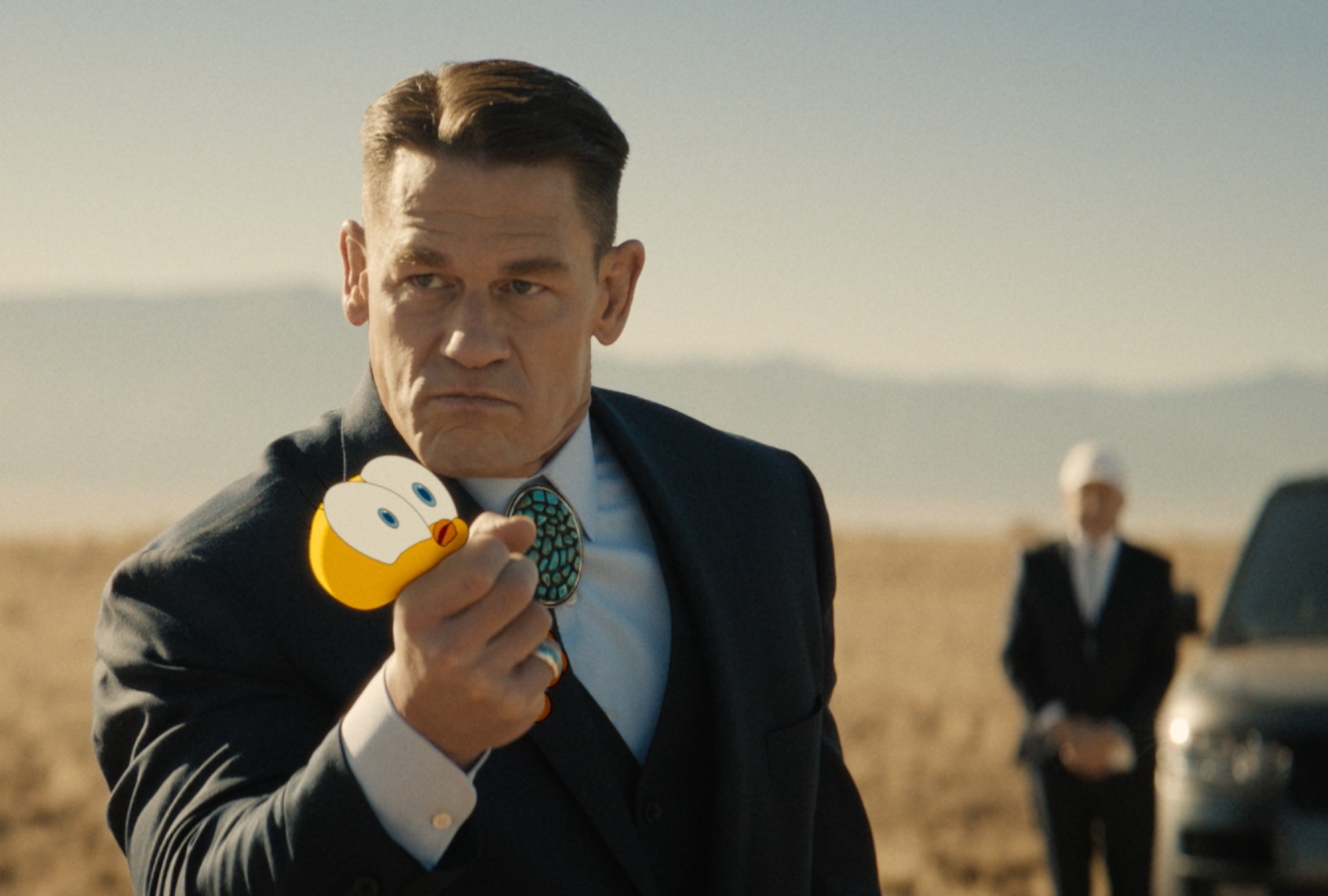
It is a courtroom comedy about Wile E. Coyote suing Acme over its defective products, directed by Dave Green, written by Samy Burch, adapted from Ian Frazier's 1990 New Yorker satire. Will Forte, John Cena and Lana Condor star. The premise is a single joke stretched to feature length, and the whole question is whether the execution justifies it.
By every account from people who saw it during its captivity, it does. That was always the engine of the outrage — not that a masterpiece was suppressed, but that a perfectly good, funny, expensive thing was destroyed for a line item, and everyone involved knew it.
Why a ticket is a vote
Buying a ticket to this particular film therefore does something slightly unusual: it registers an opinion about a business practice. A movie released after a public fight over its burial arrives with an implied scoreboard attached, and studios read scoreboards far more attentively than they read open letters.
That matters more than usual at this moment, with a proposed $111 billion Paramount–Warner Bros. merger in play. The people negotiating that deal are actively deciding what a finished film is worth to them, and the honest answer is that they are deciding it with a calculator rather than a projector.
The precedent being set
There is a version of the next decade in which shelving completed work becomes ordinary accounting practice — defensible internally because it worked once, nobody stopped it, and the write-off cleared. Every incentive currently points that way. The films most vulnerable to it are exactly the ones with modest budgets and no franchise attached, which is to say most of the interesting ones.
The cheapest available objection to that future costs about fifteen dollars and takes two hours. That is a low bar for a principle, and it comes with a coyote.