

HBO's "Lanterns" Illuminates a Familiar Double Standard
HBO's "Lanterns" uses John Stewart's harsh upbringing to examine how Black excellence is demanded and still denied its fair reward.
Entertainment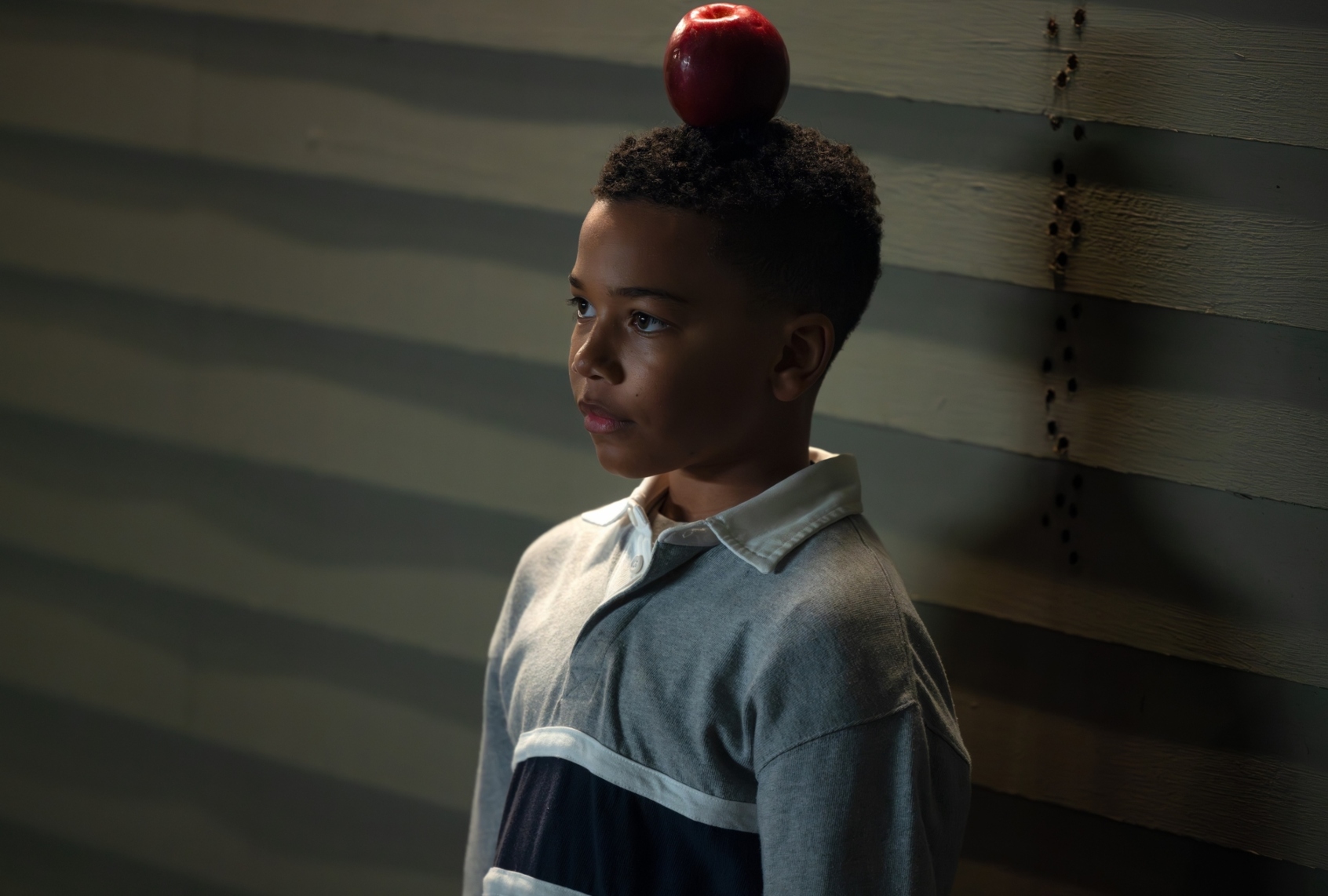
The third episode of HBO's "Lanterns," titled "OutKast," is an origin story, and it spends its running time on the question the superhero genre reliably skips: what it costs to be told you are destined for something in a country that intends to make you prove it twice.
A birthday, and a warning
The episode opens on John Stewart's fifth birthday, when his parents sit him down and explain what he is going to become. In almost any other show on television this is the warm scene — the moment of wonder before the adventure. Here it plays as a burden being transferred, and the rest of the hour explains why.
What follows is his father's training regimen, which is not mentorship so much as ordeal. John Stewart Sr., played by J. Alphonse Nicholson, escalates the drills year by year until, when the boy is ten, he is standing perfectly still while his father shoots an apple off his head. The staging refuses to make this exciting. It is filmed as something being done to a child.
The test that was never neutral
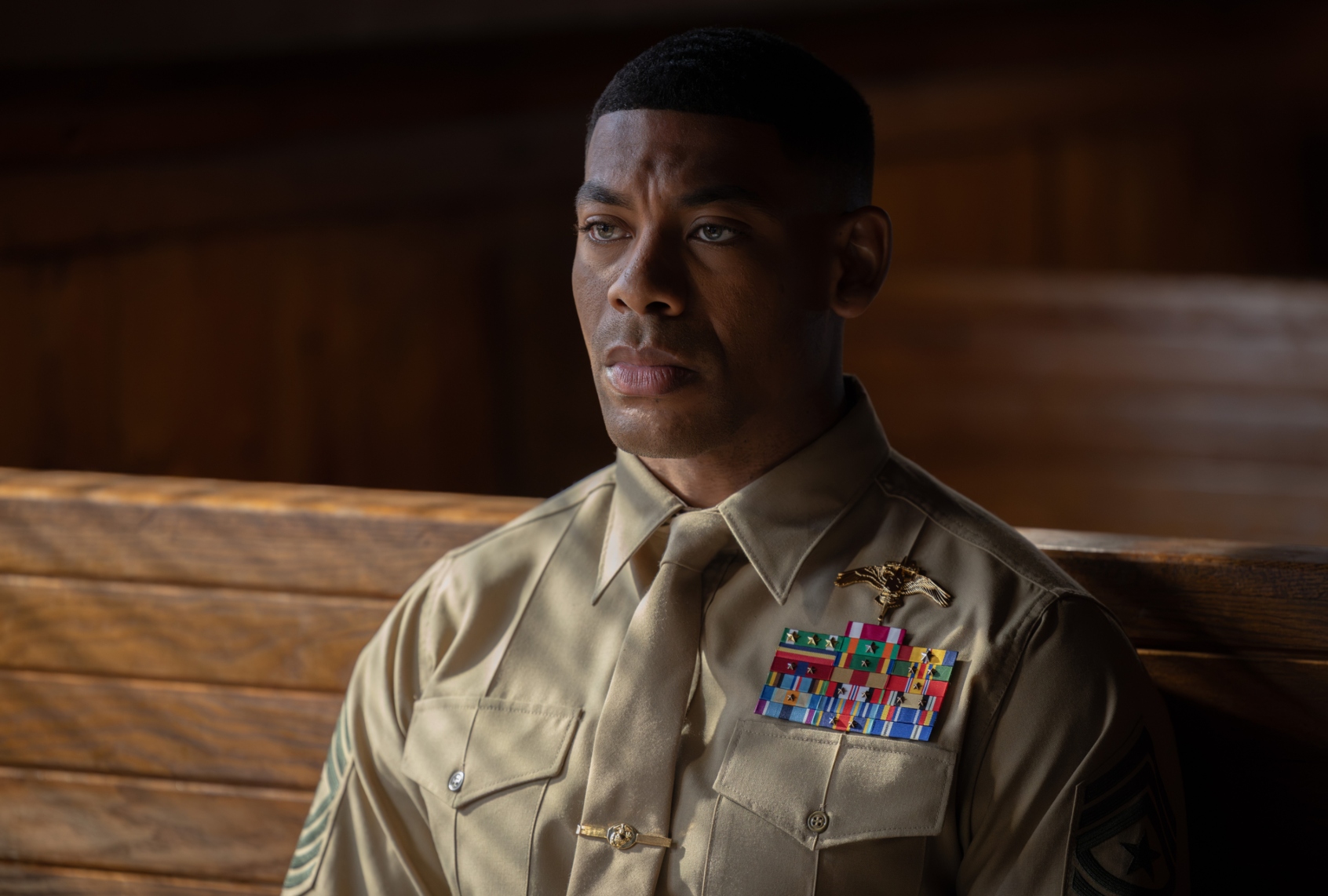
The show then supplies the reason, and it is the sharpest thing in the episode. The Guardians of the Universe had passed over John Sr. as their first choice — not out of malice, but because their selection process measured fear against a baseline that never accounted for what a Black man in America is actually afraid of, or why he might be right to be. Laura Linney plays the Guardian who delivers this verdict with the perfect serenity of an institution that has never been required to examine its own instrument.
This is a considerably more sophisticated piece of writing than the genre usually manages. The Guardians are not villains. They are a committee with a rubric, and the rubric was built by people who were never the ones being measured. Anyone who has sat through a hiring process will recognize it immediately.
Twice as good, and discharged anyway
So the father builds a son who cannot be measured and found wanting. It works, in the sense that it produces exactly what it was designed to produce. As an adult, John — played by Aaron Pierre — becomes an elite military sniper, completes a nine-month covert assassination assignment, and is handed a dishonorable discharge for his trouble.
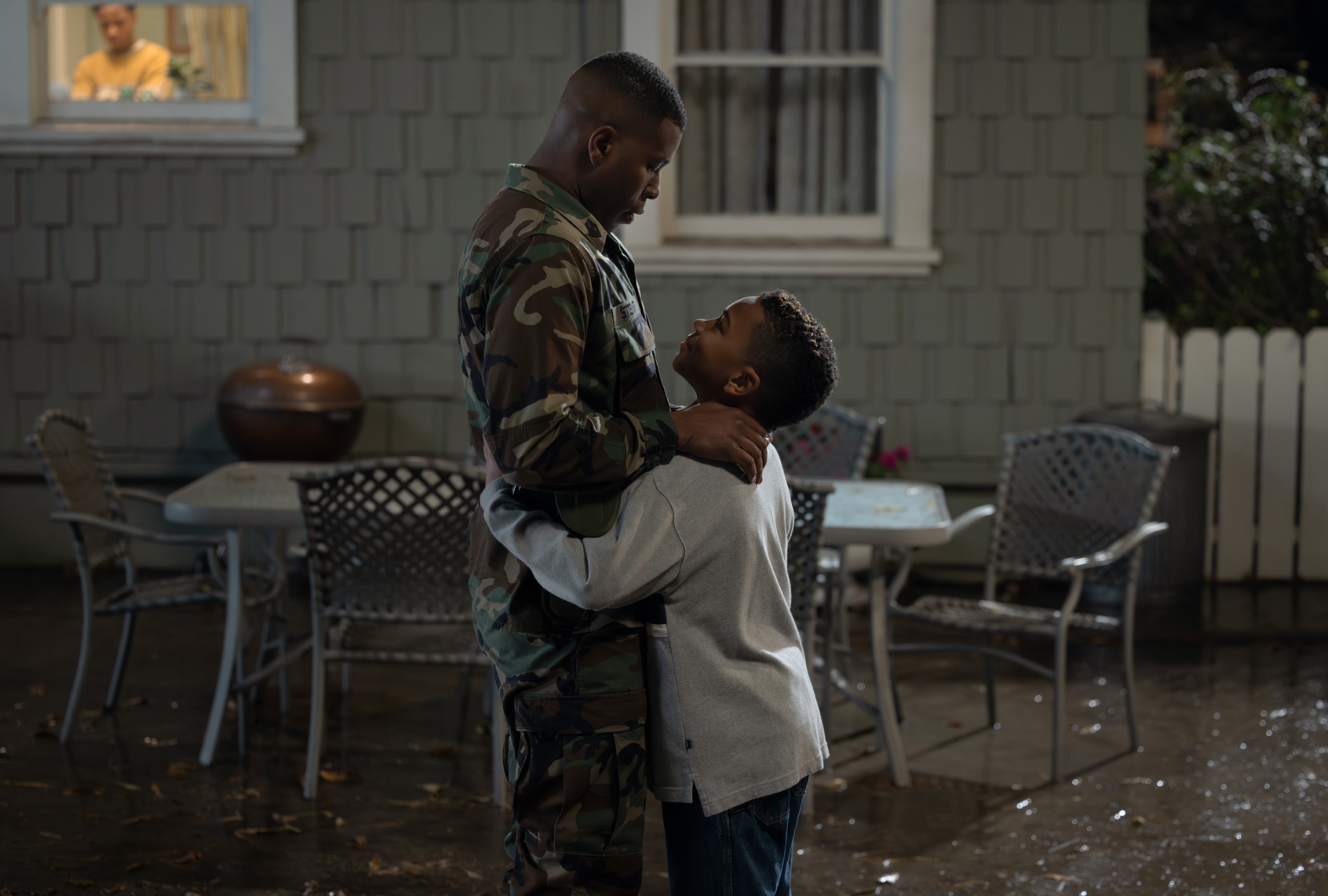
Nine months of work the country asked for, followed by a piece of paper saying he is not fit to have done it. Twice as good, and discharged anyway. The episode does not underline the point, which is why it lands.
The phrase is doing deliberate work; the show is in open conversation with the "twice as good" monologue from "Scandal" more than a decade ago. But where that scene stated the standard aloud, in a single unbroken speech, this hour spends fifty minutes demonstrating what living under it does to a family across two generations. The father is cruel because the alternative, as he understands it, is a son who gets measured by a rubric that will fail him.
What the ring cannot fix
The genre's usual move at this point is transcendence: the powers arrive and the injustice becomes backstory, a thing that happened before the character became super. "Lanterns" declines. The double standard is not the twist and it is not the obstacle. It is the physics of the world the character has to keep operating in after the ring shows up.
That is a harder show to make and a much harder one to sell, and it is the reason this episode is the best argument the series has offered for its own existence. Aaron Pierre is playing a man who was engineered by his own father into someone who could survive an unfair evaluation, and who then had to find out that surviving it was not the same as passing it.