

Don't Forget The Nails
A reflection on Dolly Parton's death, and on how her glamour — down to the long nails — was genuine creative work.
Celebrities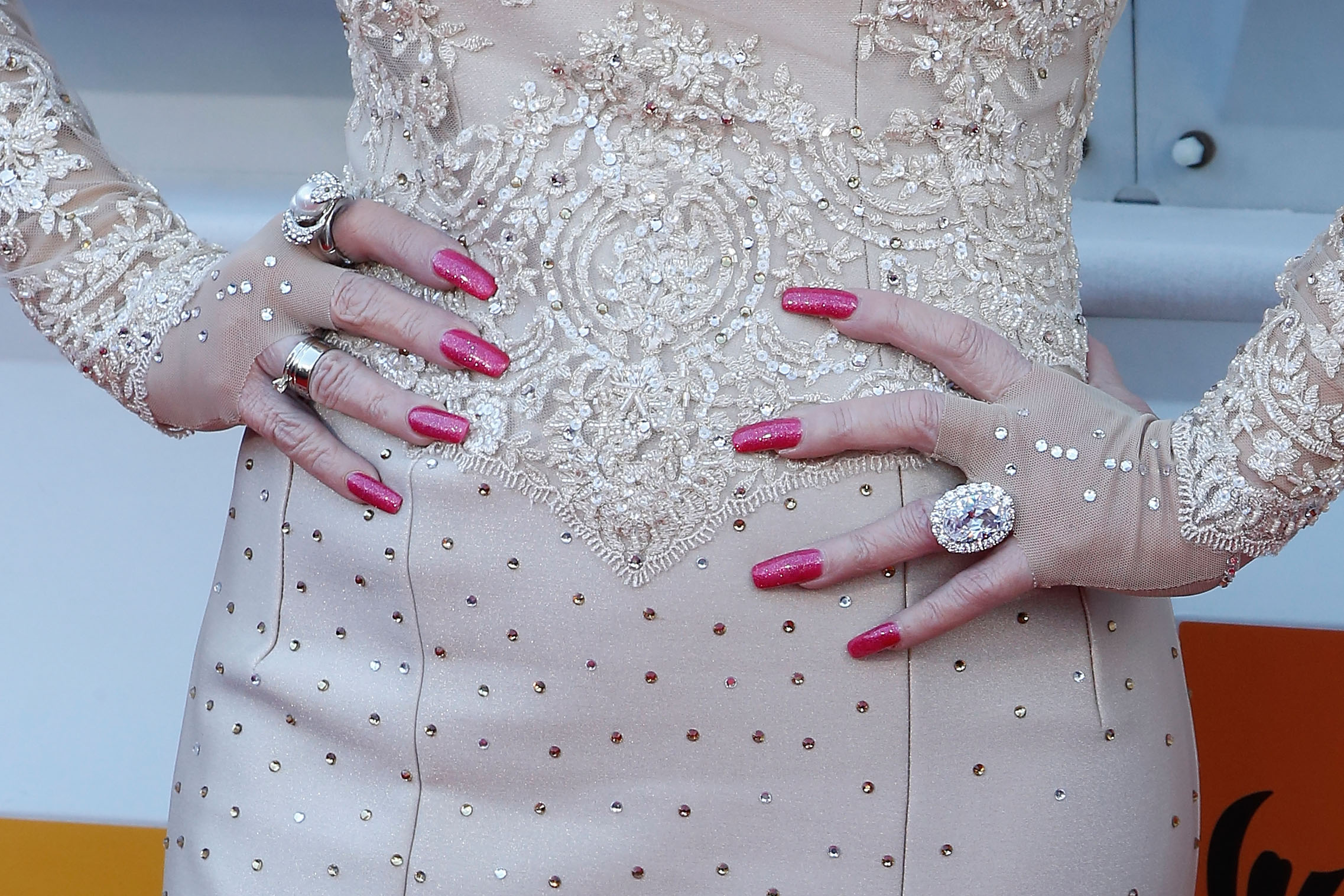
Dolly Parton died on Aug. 25, and the detail her nephew Brian Seaver shared afterward has stayed with people more than any of the official tributes: she wanted to be buried in comfortable cotton, not the rhinestones.
Not a contradiction
It reads at first like a revelation — the real woman underneath the costume, finally allowed out. It isn't, and reading it that way gets her almost exactly backwards.
Parton's public self was constructed, and she said so constantly. The line about how much it costs to look that cheap was delivered for fifty years with the timing of somebody who understood that the joke was also a shield, and that telling it first meant nobody else got to. She was in on it because she built it. Building it was the work.
The nails
Which brings us to the nails, and to the thing about them that people tend to file as trivia. They were long, acrylic, ornate, and comprehensively impractical for a working musician. She wore them while playing guitar. She wore them while writing more than three thousand songs.
The obvious question is why anyone would voluntarily make their own instrument harder to play. The answer is that she had already decided what she looked like, and the guitar could adapt to that decision rather than the other way round. Most musicians treat their appearance as a variable to be adjusted around the playing. She inverted it, permanently, and then produced one of the great American songbooks anyway.
One impulse, two jobs
That is the part that gets lost whenever the image is discussed as something separate from the art — a marketing layer applied on top of the songwriting by a good manager. It was the same instinct doing both jobs, and it came from the same place.
A woman from rural Tennessee, in an industry that was going to look at her regardless of what she did, decided precisely how she would be looked at, and then declined to break character in public for six decades. That is not vanity. It is closer to authorship — the same control applied to the surface as to the material.
Her call, at the end
So the cotton makes sense too, and it does not undercut anything. The costume was never a lie she needed protection from. It was a thing she made, and the person who makes a thing gets to decide when it is finished.
She dressed for the audience for her entire working life, on purpose, at considerable expense and no small physical inconvenience. The last outfit was the only one that was for her.