

Dolly Parton Blazed a Path That Modern Country Stars Can't Follow
Decades of stardom let Dolly Parton champion progressive causes while avoiding the polarized backlash today's country artists run into.
Celebrities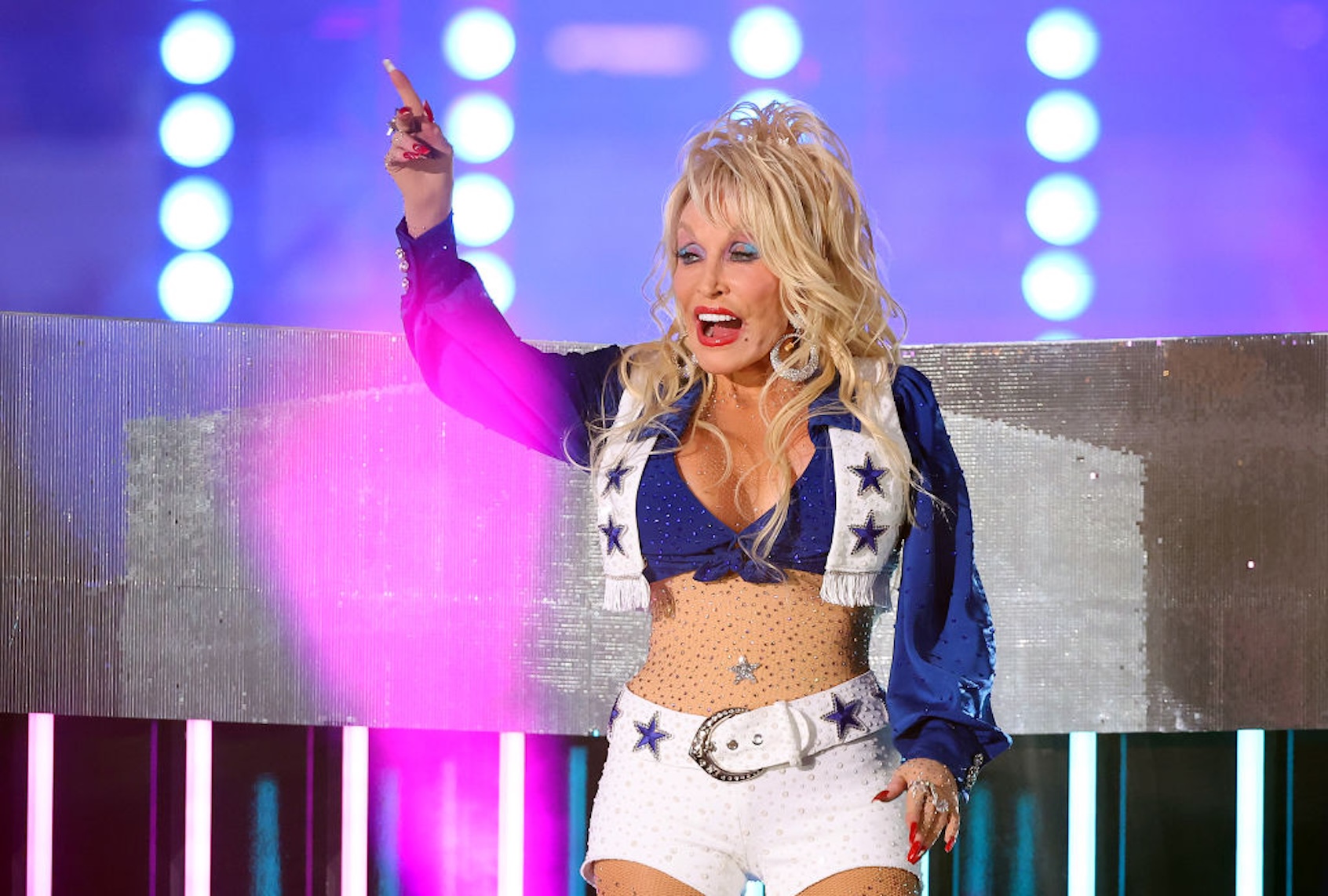
Dolly Parton died on Aug. 25 at 80, and one of the genuinely odd facts of her career is that she was sincerely liked by people who agree on nothing else. A poll released in April gave her the highest favorability rating of anyone measured. In 2026. In the United States.
She was not quiet
That standing was not achieved by refusing to take positions, which is the usual method and produces a much weaker version of the same result. She was writing songs about gay family members as early as 1991 and put herself on the cover of an LGBTQ magazine in 1997, at a point in country music's history when neither of those was a free action.
The Imagination Library, launched in the late 1980s, has mailed out more than 300 million books. That is not a gesture, it is an institution, and it is funded rather than endorsed. She had commitments and she paid for them, which is a materially different thing from having opinions.
The refusals
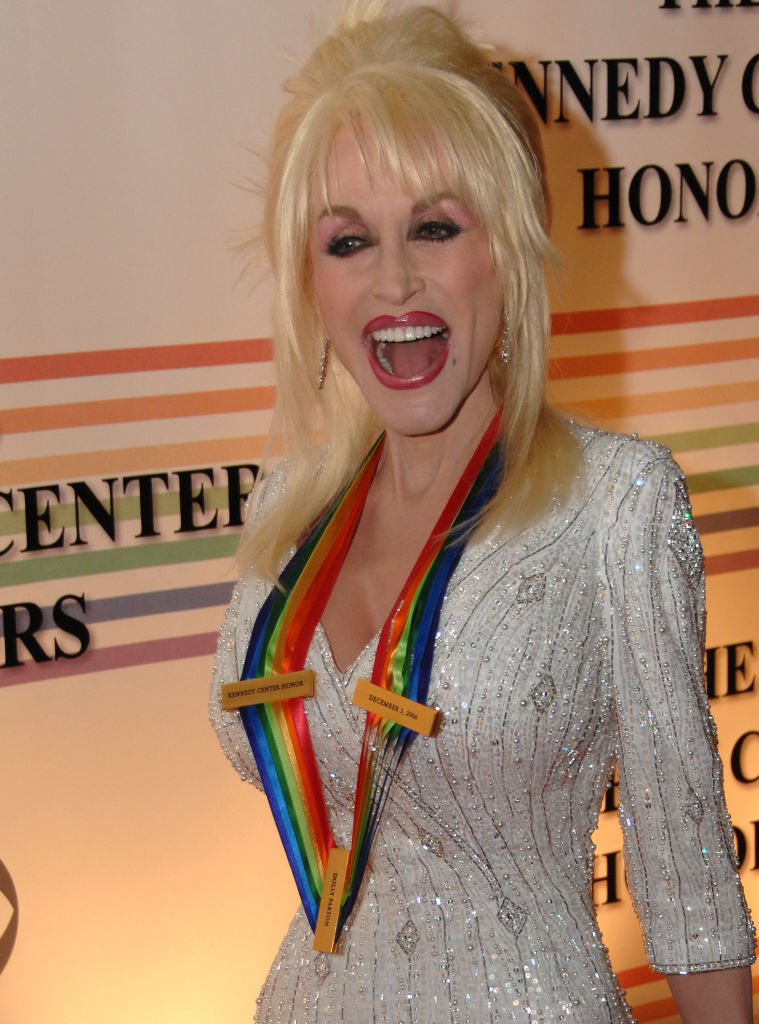
What she consistently declined to do was let anybody else borrow her standing. She turned down the Presidential Medal of Freedom twice — once from Trump, once from Biden. She asked Elizabeth Warren's 2019 campaign to stop using her music.
The refusals were bipartisan and total, and that is precisely why they read as principle rather than positioning. A person who declines honors from one side is making an argument. A person who declines them from everyone is declining to be an argument, which turns out to be the harder and rarer position.
Why nobody can do it again
The reason this path is closed to her successors is structural rather than personal, and it is worth being exact about it. Parton's career was fully established before 9/11 and long before social media. Her relationship with an audience was mediated by radio, by television, by time — buffered at every point by institutions that slowed reactions down.
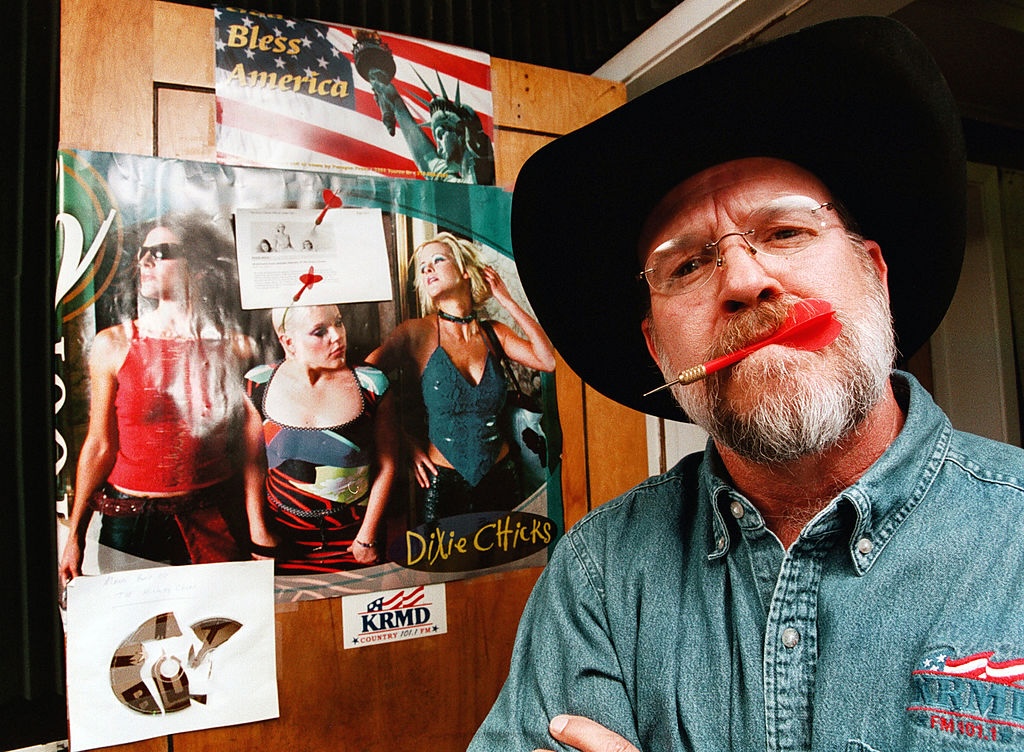
The Chicks discovered in 2003 what the new rules cost, and they were merely early. Kacey Musgraves has spent an entire career navigating a version of them. The change is not that audiences became less tolerant; it is that the buffer disappeared, and with it the interval in which a controversy could deflate on its own.
An artist starting today does not get thirty years of accumulated goodwill to spend on a difficult position. They get a comment section, in real time, on the afternoon they say it, with the response arriving before the sentence has finished traveling.
The uncomfortable conclusion
So the tributes calling her a model are half right. She is a model of how to hold a position without being consumed by it, and the method she used is no longer available at the price she paid for it.
Parton's path is not closed because the artists who came after her were more cowardly. It is closed because the road was paved over while they were still learning to drive on it.