

Chihuahua Missing for 12 Years Finally Returns Home, 'Written in the Stars'
A chihuahua named Flor, missing for years, turned up in Indiana and was reunited with her owner thanks to a microchip.
In Depth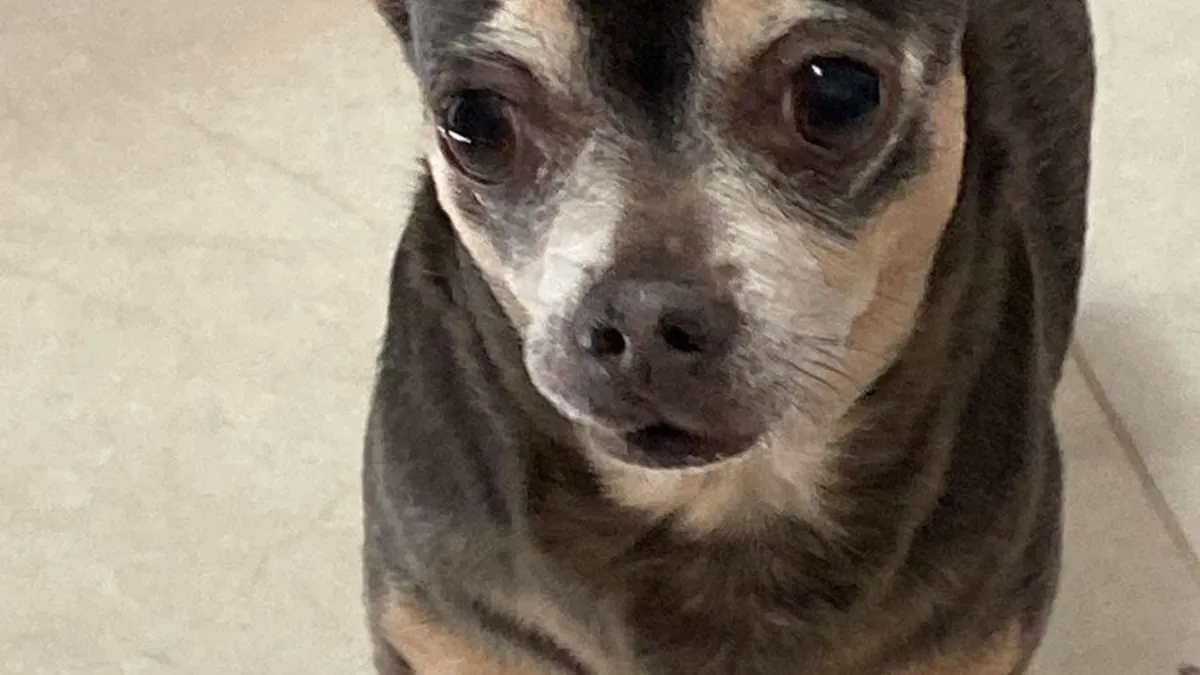
Vanessa Antonino lost her chihuahua Flor twelve years ago, at a point in her life when she was living out of her car and leaving the dog inside it while she worked. That is the entire story of the disappearance, and it explains why she was never in any position to mount a search.
How the dog was found
Flor turned up in Indiana. A volunteer working storm damage found her stranded at the roadside and brought her to the Griffith Animal Control & Shelter, which then did the single thing that made everything else possible: they scanned her for a microchip.
There was one. The shelter worked with a group called Microchip Hunters to trace the registration, and the registration led to a name. The Evanston Animal Shelter in Illinois, through canine director Tanya Ohanian, handled coordination from the other end, and a volunteer drove the distance to bring the dog home.
Twelve years, one chip, and several strangers performing unpaid logistics for an animal none of them had any connection to.
What actually did the work
It is worth being clear about the mechanism, because the story is being told this week as a small miracle and it is really a small piece of infrastructure functioning correctly.
A microchip costs roughly the price of a bag of food. Implanting it takes a few seconds. And it is completely useless unless the contact details attached to the registration are kept current — which is the step nearly everybody skips, and the step that made this particular reunion possible twelve years after the fact.
Antonino's information was still good. Somebody, at some point, in a life difficult enough to involve sleeping in a car, kept a database record accurate. That is the improbable part of this story, not the dog.
The rest was luck
Everything else was contingent. A volunteer who stopped rather than driving past. A shelter that scanned rather than processing an unchipped-looking stray. A tracing service willing to do the work. A driver willing to give up a day.
Remove any one of those and Flor is an unidentified elderly chihuahua in a county shelter in a state her owner has never visited, with an outcome nobody would have written about. The system that returned her is held together almost entirely by people choosing to do slightly more than the minimum their job required.

The practical point
If there is a lesson available here it is unglamorous and worth repeating anyway: get the chip, and then go update the phone number attached to it. The technology works. The database is the part that rots.
Twelve years is an unusually long gap and an unusually good ending. Most of these stories end at the scan, when the number on file rings out to a disconnected line.